FAQ LIST – Common Questions Around Designing & Developing Board Games

Questions around designing & developing board games…

From developing board games to helping clients assemble prototypes and mock-ups, the game-making journey can be a minefield of rewarding highs and crushing lows! Although this FAQ list cannot answer for all who work in board game development, I will try to answer what I can from my own perspective.

This FAQ list of common board game questions focuses on some of the most frequent questions I am asked by clients, both old and new.

For those who don’t have time to scroll through the entire list of common questions about designing & developing board games, here is a table to help you find your own questions.

Designing & Developing Board Games - Title Question


Common Questions Around Designing & Developing Board Games | Most Common

You may also find some of these supporting links to other blog posts very helpful.

If you want to read from top to bottom, here are some of the most common questions around designing & developing board games. Or if you prefer, we can always arrange a paid discussion and 1-to-1 to discuss further your game-making journey.


Divider

Is developing a board game expensive?

Developing a board game can be very expensive! In terms of how a board game is objectively approached, the components within the game, manufacturing, development time, and creative journey – all play a part in the costs. And so much more!

Creating a board game can be a costly endeavour for hobbyists and businesses…

There is no beating around the bush; making a game can be very costly for a variety of reasons. Using my experiences in designing and developing board games, for the sake of the client, I try to be budget-aware. In addition to being budget-aware, I also consider approaches in which a client can save money.

Is developing a board game expensive? It can be.

Why are board games SO expensive to make?

Board game development costs can vary significantly depending on the scope of the project, and ‘how’ the project is approached!

A simple card game will cost far less than a fully illustrated, component-heavy tabletop game. Early planning and clear direction can help manage costs effectively, but this is not guaranteed.

Board game design and development involve multiple stages and professional skills to bring the vision to life. Here is a simple breakdown of some of these skills :-

  • Concept creation.
  • Gameplay mechanics.
  • Artwork.
  • Prototyping.
  • Playtesting.

Developing a board game can be incredibly expensive. More so if 3D components and plastic manufacturing are involved in the process.

How can I help with your board game?

I offer support across the full board game design process. From early ideas to finished prototypes.

This includes game mechanics, visual development, prototyping, and preparing files for print.

The cliché – the USP!

I feel mine resides both in commercial experience and creative passion, and a no-nonsense approach in striving to make something good! I take great joy in seeing a client’s board game idea come to life! If a client has that long-time board game itch… let me know if I can scratch it!

Designing & Developing Board Games


How much do I charge to design a game ( board game prototype )?

I typically work on a day rate for board game design and development services.

This allows flexibility so clients can scale up or down depending on budget and project needs. Clients can also end or cancel a project whenever they want to, as long as my time is compensated.

Budgets are treated as rolling contracts in which the client or I can leave at any time – no obligations.

To highlight, my involvement in making a game is a service, not a product. When hired to help develop a game, I am selling my time and navigating the creative journey with the client. It is a process shared with a mutual goal. You are buying my time, creativity, and skills

How much do I charge to design a game?

By the day, no obligation, no soul-selling contracts. You can go when you’ve had enough, as can I! These projects can be costly to design and develop. Anything from around £800 – £20k. It all depends on what is to be done.

Do I work hourly?

No. Day rates allow for more productive progress, especially with the complexities of board game design and development. My minimum time – factoring in paperwork, 2 days for a small project.

DO I take on small projects?

I tend to prioritise larger board game development projects, but I’m open to smaller ideas depending on scope and budget!

If the concept is strong and clearly defined, and tickles my creative fancy! A project is always worth discussing!

Small project doesn’t always mean small fees, by the way!


*I do not work for free, but I can offer a free 10-minute discovery call – no obligation, no fuss, no expectations. Depending on where you are based!

Can I help create gameplay rules and mechanics?

Yes, I can help with creating game mechanics for your board game.

I can help develop, refine, and balance gameplay in an attempt to make your board game as engaging and functional as possible – but remember, this is all subjective based on opnion!

Although I can help make the gameplay rules and mechanics, the client must take responsibility for their product – as I won’t own the IP! The IP will be clients! All yours!

Tip – a client can only know if they are happy with they play their own game!

Will I sign an NDA?

Yes. Protecting your board game concept and intellectual property is important, and I’m happy to sign an NDA before starting work, but it depends on the NDA’s clauses.

I can create an NDA on a client’s behalf if they prefer.


To what extent can I help you design and develop a board game?

I can assist in a variety of stages in board game development. From initial concept and prototyping, through to polished mock-ups and print-ready board game files. I can help clients take an idea from scratch to something they can see and hold.

Here is such an example.

Designing & Developing Board Games example drawing

And almost by magic, a final prototype and mass production model.

London Pub Crawl - mad dawg games - Designing & Developing Board Games

I can also work on single components in specific phases of a board game project.

  • Idea generation.
  • Proof of concept.
  • Developing gameplay.
  • Content.
  • World-building.
  • Visual/graphic design.
  • Art Direction.
  • Illustration.
  • Playtesting.
  • Sourcing playtesters / working with playtesters!
  • Liaison with prototype manufacturers and printers

Do I work with individuals?

Yes, I work with individuals as well as businesses! Size is not an issue. However, it’s important to understand that developing a board game professionally can require a meaningful investment.

I work with hobbyists and passion projects also, but again – these projects can be expensive!


Are there games or projects I tend to avoid?

Any which causes me a loss of sleep and income!

I avoid projects involving copyright infringement, (overly) offensive content, or legally risky ideas. Originality and professionalism are essential in tabletop game design.

In terms of comedy, I am open to working with funny projects! But this can be a tightrope today! I have to assess a game brief on a case-by-case basis!

Do I do graphic design?

I do, and have! Graphic design for board games is, and was, a core part of my professional background. This includes layout, typography, integrating artwork into a cohesive visual system, and building a theme for a board game!

Here is one case study – Designing a retail game.

Or you may be interested in these services here.

Need a hand with your board game design project?
Can I illustrate and create game artwork?

Yes, depending on the style and requirements. I can produce board game illustrations and artwork, or advise when it’s better to bring in a specialist illustrator when a client is looking for a certain style.

It should be noted that I have a certain style and way of drawing – keep this in mind if you would like me to illustrate parts of your game! More on this at the bottom of this post!

Here are a couple of examples.
Stylus - Designing & Developing Board Games
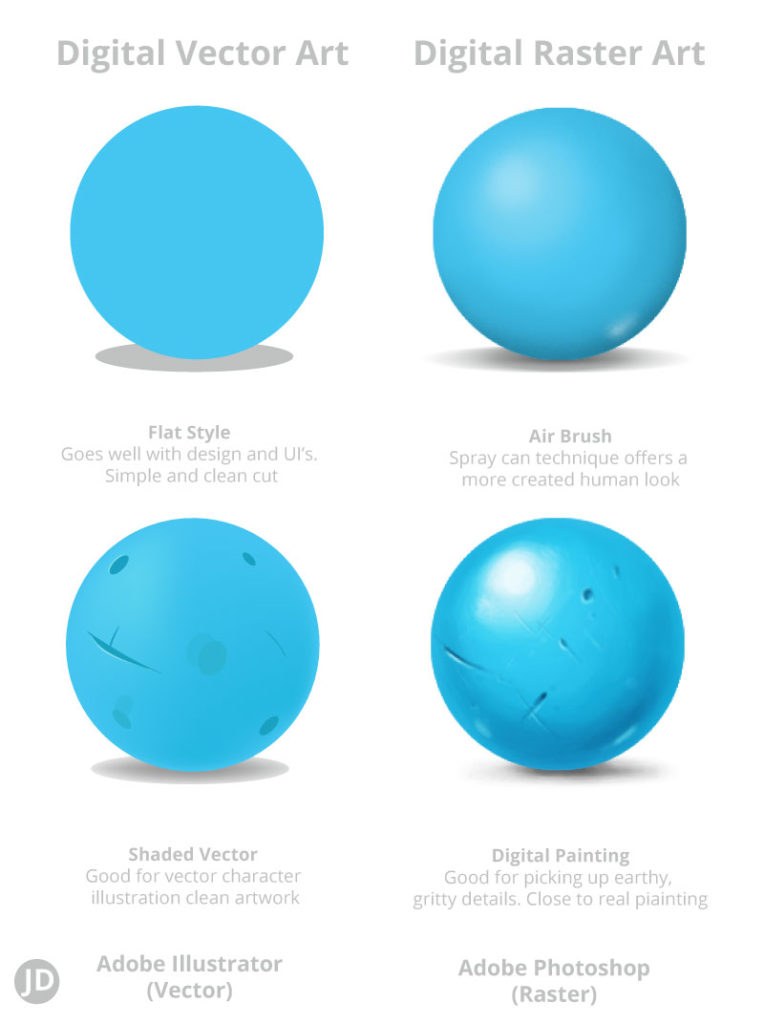
Types of digital illustration


Can I come up with a concept when developing a board game?


Yes, I can come up with a concept for a board game. But note – coming up with a concept is not easy! I can help turn early ideas into structured board game concepts, ready for development and prototyping.

Are there conversations before a project?

Yes, there are plenty! It is part of my board game-making process. Initial conversations fall under board game consultation services.

These sessions help define direction, scope, and next steps before committing to full development. I can run dedicated 1-to-1 video consultations or a free, quick discovery call on the phone. No obligation, no pressure!

Where am I based?

Ampthill, UK. With the occasional meetings in and around London. Most board game design work is handled remotely, making it easy to collaborate regardless of location.

Furthest distance to date for a project – Australia!

If a client prefers, I can meet anywhere within a commutable train distance as long as my time and travel are compensated. I am less than 50 minutes by train from King’s Cross in London, and I am very familiar with parts of London also – from Wimbledon to King’s Cross to the Southbank area.

I am also, occasionally, able to drive to a location in Bedfordshire as long as petrol and time are compensated.

Do you work collaboratively with clients? ( HYBRID )

It depends on what ‘collaborative’ translates to in real terms.

Collaborative or hybrid working is common in board game development. Teams collaborate in generating ideas, writing, designing, developing, and many other aspects of the game. I avoid reworking design files that have been set up improperly, AI images for print, low-res imagery, or files that are just not suitable. In certain instances, it is necessary to rework files from scratch. I also avoid collaborative work that damages or interferes with my working process. Most people wouldn’t pick up a plumber’s wrench or blow torch and start working the pipes! They’d let the plumber do their job, and I’d expect the same.

Although if a client wishes to write copy, share complete images, inspiration, ideas, discuss, brainstorm, offer opinions, share past projects, hopes and dreams – these are all very welcome. Dividing tasks is efficient.

I have also supplied and passed over project files and design files so that other developers and editors can change or tweak work according to their needs. This would need further discussion, however!


Can I step in partway through a project?

Sometimes, but I’m selective! I avoid projects that are a mess. I have to assess on a case-by-case basis as to whether I can help.

Projects that have structure and clarity are far easier work compared to ones that need to be reworked from the ground up.

I can work ‘in part’ or in certain ‘phases’ of a board game project. From creative design, to ideation to helping to develop a game system. And of course, helping with graphic design and artwork on your board game.


Can I promise that my game will make millions in money?

Erm… no.

Paraphrased – I am rarely asked this question in seriousness – until recently…

No, I cannot guarantee your game will make millions. I don’t proclaim or pretend that using my creative services will guarantee a return or boost in your fortunes. Sorry, wish I could say otherwise!

As is my understanding, board games’ financial success comes from a variety of contributing factors and angles. Many of which are outside of the control of a designer or an individual alone.

Hiring me will not guarantee your millions. But I can guarantee that I will try to help
create a design that meets a client’s wants and expectations, with the added extra of sharing my experiences and knowledge.

Game ‘success’ is well outside my remit, and potentially the clients’. However, I am happy to share a success story from my time at a former company, working as part of a team.

How can I stop people from stealing my board game idea?

There’s no single solution. NDAs can help, but for proper intellectual property protection, you should speak with a legal professional. You cannot copyright ‘game mechanics’ as far as I am aware.

Am I a copywriter?

Not professionally.

I can help structure and draft early rules and content, but I would highly recommend using a professional copywriter for final board game rulebook writing. I can only help with the very early draft if I have been commissioned to help with developing game mechanics.

**This text should not be used for the final draft. More on this in another conversation.

Can I proofread text?

No, I cannot proofread copy or text. This is outside of my remit, sorry. If you want to edit your own text in InDesign, you may find these 2 articles interesting.

*Text disclaimer: All final print-ready text is the responsibility of the client. I cannot edit or proofread text. I can, however, help with early placeholder text, but a professional proofreader and editor should be employed to help with your project. I cannot take responsibility for typos, grammar mistakes, inaccuracies, spelling mistakes, or other text-based errors. Please proofread all final text and artwork.

In short, I cannot spell for toffee!

Do I offer legal advice?

No. Always consult a qualified legal expert for contracts, copyright, and IP protection.

Is there paperwork involved?

Yes! There is often a fair amount at the start of a board game project. Contracts, briefs, revisions, and production specs are all part of a typical board game development process. Perfect planning helps in establishing core goals and potentially saves money.

Will I work with difficult clients?

I aim to keep projects positive and productive. I won’t work with clients who are aggressive, disengaged, or consistently difficult to collaborate with. I am friendly and professional, but my tolerance has limits – time is also precious.

I also have to make intelligent and progressive decisions with whom and where I work.

Have I developed other board games in the past?

I have developed, helped and co-developed board games in the past. I have worked with charities, start-ups, councils, businesses, and individuals both in the private and public sectors.

To list a few.

My initial experience came from working at a gifting company where I learned the ropes of developing party games and game-like products. Under the banner of this company, I had the honour of seeing products I was involved with creating grace the shelves of international retailers. Some of which were undertaken by Hasbro and Asmodee.

What types and genres of games have I worked on?

I have worked across a wide range of genres with a variety of clients. I have worked on party games, education games, dice games, fun card games, fiction, fantasy, sci-fi, racing, music – in a range of styles and themes.

My role in these projects has varied from anything as grass roots board game developer to a graphic designer, to a play tester and test organiser. I can also illustrate characters and help a client to world-build.

Can I work on only part of a board game project?

Yes! I can contribute to specific areas such as game mechanics, artwork, or prototyping. It depends on what a client wants or needs. Budget is also a contributing factor.

Do I work with AI artwork for commercial projects? ( In final product )

I avoid AI imagery for commercial board game artwork.

Copyright and ownership concerns make it risky for print-ready projects. As can formatting AI-generated imagery for print.

I am biased, but I try to encourage clients away from AI visuals. Whether this be a prototype or commercial box art. AI never seems to generally win the hearts of the general public!

Can I work with stock graphics when creating a new project

Yes, I can! When used correctly, stock graphics can be a useful and cost-effective part of development.

However, although stock graphics can be a great time-saving measure, stock imagery is not always the best solution for a variety of reasons. There is a time and place for stock graphics and stock textures, but as a designer and developer, I try to encourage design appeal and originality with my clients.

Can I work as part of a team on a board game project?

Yes, I can work with big or small teams. I can work with individuals.

Will I ‘fix’ or prepare client-made artwork for print?

No. Preparing print-ready board game files requires a correct setup from the start, and fixing unsuitable files is rarely efficient.

I can, in certain circumstances, redraw or recreate files from scratch.

I can also digitise a client’s artwork if it has been created in traditional mediums. But, I personally avoid clients’ print-ready files.

However, I am happy in certain circumstances to create design files that a client may be able to edit or hire a designer to edit in the future.

For the budding DIY graphic designer client out there, you may find some of these posts interesting:

Press the image to read more on your text editing woes if you are editing your own files!

Projects I avoid

I avoid legally questionable, unoriginal, or harmful projects. Clear direction and commitment are also important when taking on new work.

What I can’t do in board game development

I can’t guarantee success or provide legal protection. Some aspects of publishing and commercial success sit outside of design and development.

Neither can I operate at the same capacity or capability as a larger development studio. I do have skills and experience, but I am not an ‘everything’ professional in terms of creating board games, unfortunately!

What I am not!

I am not a publisher, legal advisor, manufacturer or marketing agency.

I specialise in board game design, development, and prototyping—helping bring ideas to life properly.

How to make a retail-ready card game – Other helpful links

In addition to these links, I also have some links to 3rd part websites. Please take a look.

Other websites you may find interesting for making games

Okay, you got me. I am the owner of Dragon Bone Games.co.uk. A website all about making games, a niche gaming that you may find interesting to know a bit more about. Here are some links.

*All links lead to the 3rd party website.

My Board Game Prototype Process | Explained in 7 Key Stages

Developing a board game prototype process…

One of the most frequent questions I am asked is: ‘What is the process of making a board game prototype?’ Or ‘How do I develop a working board prototype?’ Or questions to that affect. And it is a fair question about something that can be as complicated and nuanced as making a working prototype of a game!

For those who are curious, I have tried to illustrate a ‘typical’ process of how I will design, develop, and send a prototype to print for a client.

Board Game Prototype Process Title Header Graphic Drawing


Not every project is identical, but there are some common themes and patterns to developing a board game prototype. Whether it is a low-fidelity ‘grey-box’ mock-up, or a fully rendered test print for testing and playing.

My board game prototype process, at least the design! Is not dissimilar to how my graphic design process works in many respects. Although there are some significant differences when developing what is, in essence, a full product! Graphic design is but one aspect! A stage within the whole process of making a board game prototype.

Before I divulge my process and workflow for developing a board game prototype, let’s start with the basics first.

This step may need to be repeated multiple times, depending on what is required of the prototype and client budgets!

Divider graphic

What is the process of making a board game prototype?

A prototype is an early, preliminary version of a product, item, system, or concept, or in this case, a board game. It is a pre-production model – an iteration of a product. Developers and designers can create more than one version or prototype – sometimes going through multiple versions of the same concept before arriving at the final design.

I have helped design and develop board game products, STEM products, low-cost items, and products for the gifting market.

Processes can vary from person to person and from company to company, but this is how I roll!

Developing a board game prototype may consist of :

  • Establishing the purpose and requirements of the game.
  • Creating balanced gameplay and rules.
  • Conducting initial tests with play testers.
  • Factoring components.
  • The visuals and the theme.
  • Adding the final touches to the game prototype before getting it ready to print.

That is a general overview of developing a board game prototype, omitting the nitty-gritty details! Each project is unique and can come with its own trials and challenges. Each unique project can come with creative exploration, too!

Divider

Process Overview | Developing a Board Game Prototype Process

From early ideas to a polished, playable prototype, it always includes a workflow and process. This post is a journey and overview of how to take a game from concept to something you can see, test, and refine.

  • Discussion.
  • Research and inspiration.
  • Early ideas and rough concepts.
  • Developing the core gameplay.
  • Refining and balancing the game.
  • Playtesting and final adjustments.
  • Prototype completion and handover.
Board game prototype process flow diagram and illustration


Shorthand Answer | Designing & Developing A Board Game Prototype – Example

It is sometimes easier to show rather than to tell.

For the reader’s sake, I have tried to make this post as digestible as possible – but it still only touches the surface of what is involved! This is an example of my process for developing a board game prototype in action.

1 ) Talk | Brief – Plan


A client reaches out, provides a brief, shares details about the project and themselves, and I determine whether I can help. It is in this stage that I try to understand both the client and the project.

2 ) Finalising Paperwork | Research, Materials

Paperwork, information, and materials are supplied by both parties.

Paperwork will consist of various pieces of information. Documentation may list work to be carried out, what is to be made, and source materials and relevant information from both parties. Copyright releases, payment terms are outlined, and parties involved are written in. In short, this is all pre-making and paperwork for the project.

3 ) Developing the Core Game

From rules and mechanics to world-building! This is a core stage of establishing the game and what the game wants to be.

Depending on how a brief is presented, it is possible that a client will have established the initial game concept in principle. I can, however, either help a client further by building upon their idea or help them from scratch! It should be noted, though, that one is more expensive than the other.

In this step, it can manifest in the form of some of the following :

4 ) Board Game Aesthetics

The look, the vibe, and the general appearance of the prototype. I can, and do, help clients with developing the appearance and visual narrative around a game. This is how I started the career path.

Game mock up - London Pub Crawl

5 ) Refine, Polish

Without screaming the importance of playtesting board game prototypes as an important part of the development process ( hint – it is ). It is after playtests that you will polish, tweak, and amend the game prototype. This can also apply to the visuals.

Playtest… Playtest.

6 ) Developing the Prototype ( getting it printed )

Either the client can send the project to print, or I can handle it for them. I can act as a middleman. A middleman with experience in developing products. Sending files to print in the Far East, the UK, and Europe.

7 ) Sign Off – The End… For Now

As a final phase of developing a board game prototype process, this is when the client and I will sign off on the project and part ways! All the best with the journey, see you on the next venture.

Divider

Short Summary | What is the Process of Making a Board Game Prototype?

From helping the client to write a brief, offering consultation, and designing a game ( which is important ), to helping a client to build a prototype and establishing the core look of a game! I try to act as a sherpa in the client’s journey to developing a board game – whether it be their first or last!

Below is more information on my process and the ins and outs of developing a board game prototype process.

What is the process of making a board game prototype
Divider

1) The Brief | Setup, Planning, Defining the Goals

This is the foundation of an entire project! A crucial step in mutual understanding is outlining what needs to be developed for your board game.

I cannot, and don’t, take projects without a written brief and goal to adhere to. Whether these goals are more open or closed is another matter, but regardless, an endpoint is a must.

Money, timeline, and estimate – with the outline of a project established and a list of either rough or polished notes, I will give the client an ‘estimate’. Please take note of the word ‘estimate’. An estimate can cover anything and all, from guessing time-frames to the scope of work to budgets. But it is a complete guess. As each project is bespoke.

When embarking on a new project, I like to try to get to know and learn about the person behind the client! Their goals, the reason for the project, what they like, and what they are like.

In short, I like to learn whether the prototype is part of a bigger goal or part of a passion project, which ties into how I see and approach the project.

I have previously written a post on how to guide a client in writing a Graphic Design brief, which shares some similar attributes to developing a board game prototype and its processes.

Brief First Phase: Defining What is What for the Game Prototype

At this stage, we’ll define:

  • The core idea or theme.
  • Target audience (casual, family, strategy players, etc).
  • Game goals and player experience.
  • Constraints (time, materials, complexity).
  • Client expectations.


When writing a board game brief and as part of the board game development process, the more planning and ground rules established at the start of the project, the better. This phase may also include:

  • Helping to write a basic game concept ( * Co-writing, I am not a proofreader, by trade, and can’t offer copywriting as a service/ Especially in its final form! That’s for the writers! ).
  • Outlining rules.
  • Deciding on components (cards, board, dice, etc).

*Tip | If you are sending a brief or a project, try to include as much information as possible. Components, aim, type of game, etc. Also, any preliminary research for your project will be a great benefit also.

2 ) Paperwork, Gathering Information, and Consolidation

Not all the core stages of developing a board game prototype are purely about the ‘design and making‘. The paperwork, the research, and the information gathering are as important as action!

Perfect planning and all that.

In this stage, I will review a specification – often written by me- and establish the work to be undertaken. This is part and parcel of planning.

It is in this pre-step that I will formulate a written agreement and gather any initial research for the project. It is also here where I will discuss formalising the project, from the outline of work to be undertaken to the payment terms. I can, and have written and signed any copyright releases, NDA’s, or waivers – depending on the mutual terms.

Research – Example Developing a Board Prototype

With the foundations of the project and the paperwork in place, I will carry out any additional research where required.

This includes, but is not limited to :

  • Looking at similar board games.
  • Studying mechanics (deck-building, core aims and goals, is it fun! etc).
  • Gathering visual and thematic inspiration.
  • Identifying what works — and what doesn’t.
  • Analyse competitors.
  • Note gaps or opportunities for innovation.

Research can be the food and fuel for imagination when it comes to developing a board game prototype. It is all part and parcel to the process!

3) Early Ideas & Rough Prototypes ( Design & Gameplay )

This stage can vary from project to project, especially since each prototype is typically bespoke!

However, I do have a common development process for a full prototype. If I have been commissioned to develop a board game prototype in full, my approach is collaborative, explorative and experimental. From creating a ‘greybox’ mock-up to helping a client develop gameplay, this phase can be quite exciting and open to possibilities.

I can also help with world-building and creativity. From the visual theme for the game to developing artwork and spot pieces. Whether this is for a party-type game or something with a broader theme and setting. I love storytelling, both visual and written.

Developing rules, very rough mock-ups, or some or all of the aforementioned, depending on the depth of my involvement.

This phase of the process will resemble the following:-

  • Sketching mechanics and systems.
  • Creating rough rule ideas.
  • Building very basic prototypes (paper, pen, placeholders), this is also called “greyboxing”.
  • A roughing of the theme and concept drawings.

Nothing is final here and exists to explore and experiment with the game – if any artwork is created, if at all – it is generally very rough and will tie in with the core components.
If I am creating a game, the grey boxing stage. Examples include:

  • Handwritten cards.
  • Simple boards.
  • Quick mock-ups of gameplay and components.

Below is a real-life low-fidelity mock-up!

Low fidelity mock up of game

OR…

Low fidlety grey box example of game

This is about thinking fast and putting this down on the table. Nothing is sacred in this early phase of developing a board game prototype process. Artwork, if any, will be ‘stick people’ at best.

the board game developer needs to make sure they have a working game!

4) Developing the Core Game

From the early ideas to visualisation, the client and I will select the strongest concept and components and develop these further.

This stage can manifest in many ways, from helping to arrange play tests to building upon the rules. Sometimes it is necessary to go back and forth between stages as per player feedback and experimentation.

Be it through taking a more introspective view of gameplay, or running playtests, here is an itemised view of developing the core game :

  • Help in expanding rules.
  • Clarifying player actions.
  • Structuring turns and gameplay flow.
  • Defining win conditions.

This is assuming I have been commissioned to help design a game prototype from scratch or from a primitive stage in the game developer’s journey.

Assuming I have been commissioned to work on ‘the full monty!’ this may also be required:

  • Reviewing core game components.
  • How can these be designed and made.
  • Visual theme and aesthetics.

At this point in the journey, it is no longer about generating ideas – it’s about improving one! This phase of the journey must also adhere to the mantra that ‘nothing is sacred’ as well. Being rigid, rather than flexible, in the phase can do more harm than good to the final product.

Developing a Board Game Prototype Process: How I try to do the heavy lifting

My role in helping clients to design and develop a game prototype can be complex, although I try my utmost to absorb the burden where I can.

Creating a board game can straddle a couple of creative professions, from publishing to product design. Within the process of making a prototype or developing a board game is a complex variety of skills! Many of these skills are professions in their own right. My main skills lie in the creative and technical aspects of making a prototype.

I’m not a copywriter, proofreader, editor, legal expert, manufacturer, warehouse owner or logistics person!

Past and present, I have helped clients to design a prototype from scratch to a hardcopy object they can hold. My very first experience comes from working at a ‘gifting company’ where I was involved in creating party games towards the latter end of my tenure.

Graphic Design – Visual Storytelling

There is such a thing as the cart before the horse, and this is especially true with graphic design and artwork for board games. Before obsessing over backgrounds, colours, and cover work, the board game developer needs to make sure they have a working game!


THEN…

Once they have a working game that people can understand and play, then look at the visual elements. Nothing is worse than a well-dressed piece of crap! I have played ‘completely broken’ and untested games, and it is annoying when graphic design is used to disguise a poorly executed game.

If I am commissioned as the Graphic Designer ( art director! ), I will start with creating the general vibe for a game, then take a more granular approach to the design of each component.

More on that next.

Card design development for a board game prototype
5) Developing A Game Boardgame Prototype: Refining, Balancing & Improving

With a working prototype in place and a solid proof of concept ( perhaps a ‘greybox’ version of the game ), I will try to refine the product further.

This stage includes :

  • Adjusting rules for clarity ( however, editing should be in the hands of the pros! ).
  • Balancing mechanics (fairness, difficulty, pacing).
  • Improving usability and player understanding.
  • Tweaking components and layout.
  • Graphic Design & Artwork ( if commissioned on that part ).

For those who are interested, I have written a dedicated post about my graphic design process.

Some of you may also wonder what a graphic design process even is. Well, it is not just drivel and magic dust; there is a process. Here is a general overview when working with a human!

my board game process

5 ) Solidifying the Core Product Concept – Important note:

This is not the stage for major redesigns — only improvements.

Big changes here may require making significant changes across multiple elements and components and can be costly to do. Sometimes, this is required to make a better and more compelling product, but if at all possible,I try to encourage a client to make these pivotal changes earlier in the prototype development process. Hence, a brief and discussion in the beginning.

But, saying that, making something is a journey and not always a straight road!

divider

6) Developing a Board Game Prototype Process | Playtesting & Final Adjustments

Playtesting a board game prototype process

This is where the game is truly tested. I gather feedback through:

  • Self-testing
  • External playtesting (friends, players, target audience)

I observe:

  • Is the game fun?
  • Are the rules clear?
  • Are there exploits or imbalances?

Feedback is then used to:

  • Fine-tune mechanics.
  • Simplify where needed.
  • Strengthen the overall experience.

This step may need to be repeated multiple times, depending on what is required of the prototype and client budgets!

7) Prototype Completion & Handover


The final stage. The development of a board game prototype process is now in its latter stages, and my part in the project is most likely drawing to a close. ( A solitary tear… )
Transfer and hand over of prototype


Once the prototype is tested and refined:

  • Rules are clearly written ( Find a professional proofreader! ).
  • Components are finalised ( or near-final ).
  • The game is packaged into a presentable prototype and sent to a printer!

This may include:

  • Printed cards and boards.
  • Rulebook/rules / rulesheet.
  • Other components.

At this point, the prototype is ready for:

  • Demonstration.
  • Pitching.
  • Further development or production.

Or, you may take your prototype and ask yourself whether it needs more fine-tuning. Doors and options are open.

Developing a board game prototype process example: print liaison

Optional, and not always part of my service, but I can and have acted as a mediator to arrange the printing and manufacture of a board game prototype for a client.

In short, I deal with the headache at a cost!

This is not always the case for every project. On occasion, the client may prefer to arrange the printing themselves or make amendments to the product. A real-life scenario is if the client wants to amend game rules or text in InDesign.

There are advantages and disadvantages to the client working with print themselves.

My Board Game Prototype Process | Final Take Away

Creating a board game prototype is not a straight path…

It’s an iterative journey of:

  • Testing
  • Refining
  • Eliminating weaker ideas and building an initial core game!

You start broad, then narrow down to the strongest concept.

Like sculpting – you shape, refine, and remove all until the final form emerges! Metaphorically speaking, the same applies to developing a board game or board game prototype.

AND after all that, there is still no guarantee that the developer will make their millions or their money back. Developing a product hard path, without a golden egg or promise at the end.

Golden egg at end of journey!

What is the process of making a board game prototype? Other posts

Whether you came to this post to read more about developing a board game prototype and its processes ( thank you for reading to the bottom ). Or, whether was to read about my board game prototype development process, you may find some of the following of interest.

From the graphic design process, the journey to case studies.

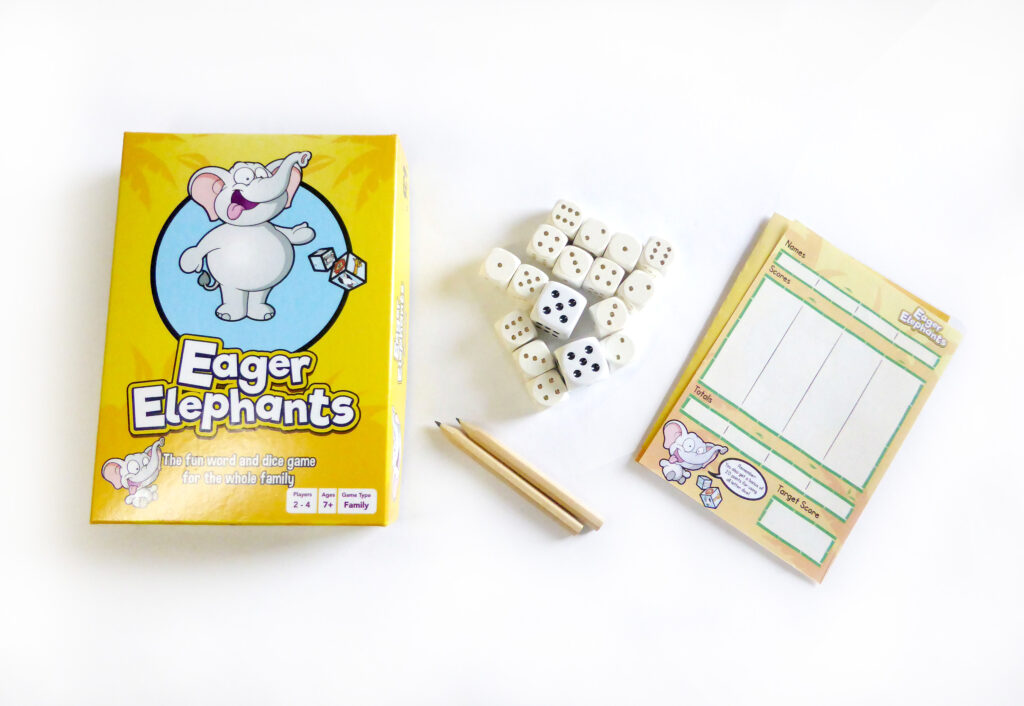
Box mock up
Box mock up & Packaging – Eager Elephants

My Board Game Prototype Process | Services

Thank you for reading. Here is a list of relevant services and skills I can offer in helping you to bring your vision to life. All pages are hosted on my commercial portfolio website.

Need a hand with your board game design project?

Dragon Bone Games:-


In addition to my commercial board game design services hosted on Jimmsdesign – my portfolio website, I also run a hobby game blog celebrating the passion of making board games. In addition, it celebrates other aspects of the board game hobby! I would encourage you to read and bookmark it! Thanks, awesome reader!

Dragon Bone Game Website Links :

My Board Game Prototype Process | Other interesting Sources and information

You may or may not know, but I am also an artist! I have produced artwork for games! Feel free to take a look at my art website.

JD Illustration

All content in this article is copyrighted by me and their respective owners.

Jimmsdesign 2026.

How to build a website for FREE – 3 Easy Solutions

How to build a website for free or almost free image with and arrow point in the direction
3 Simple Platforms Guide

Hobbyists, businesses, and potential clients… this post is for you!

This post covers 3 simple ways for you to build a website for free… or almost free. This article is ideal for start-ups, hobbyists, and individuals looking to gradually build their online presence. All you need is a computer and internet access.

This post will cover the pros and cons of each system based on real-life experience.

It should be noted that I am not affiliated with these companies

How to build a website for FREE – Summary Overview

To build a website for free, you can use a selection of tools, software, and hosting options to start creating your website with next to no upfront cost. Many DIY developers use platforms such as WIX and WordPress to build websites and blogs for free by learning the tools themselves. However, it should be noted that ‘Free’ is not always strictly free in the truest sense.

You can use WordPress’s free domain and hosting to save money. But the hidden cost comes at the expense of handing over proprietorship and backend administration of your website. Although it can be easier to transfer away to another hosting platform if they support a website built in WordPress.

Instead of opting for a full website, website owners and small businesses can also opt for an easy-to-maintain solution, such as having a ‘Facebook Business Page Only’ or a Blogger in the early stages of their website journey.

Feel free to read on with learning the general idea of how to build a website for free… or just hire a design guy for the job!

Here is a list of solutions to create a website for free.

How to build a website for FREE | Start building Something

1 ) You Can Use Blogger To Create a Website For Free

Not heard of Blogger? Blogger (blogspot) has been around for years and is part of Google. With Blogger, you can create your website or blog completely free!

Blogger is fine if you are looking to create a simple blog as a hobbyist or put something together quickly for a friend or relative. I have used Blogger as part of my ‘hobby and general stuff’ website, which I treated as a creative/personal dumping ground. You can see my personal blog here.

Blogger isn’t solely for amateurs. I have seen great examples of Blogger being used by professionals and semi-professionals, despite the fact that it is a free platform.

Generally speaking, Blogger is used more by hobbyists than professionals, but this doesn’t render the software totally unworthy and crap! Some blogs are great when made on this platform. Especially by hobbists.

Due to Blogger’s low point of entry, it is a magnet for homemade, freebie, and hobbyist blog creators. A great starting point for those learning the baby blocks.

Print & Pattern – is an exceptional use of Blogger. It comes with a jobs board, products, and other key information centred around graphic and surface pattern design.

Blogger Hero Perks – Blogger Review

It might also be worth mentioning that you can also monetise your ‘Blogger’ blog very easily using Adsense, should you choose to do so. But to make it worthwhile you need a hgh volume of traffic to your blog to make this worthwhile. a much more challenging method of monetisation these days.

Blogger Pros :

  • FREE – Blogger is free. You can set up an account today and start writing about your hobby or business pretty much right away.
  • Reasonably easy to use – Blogger is relatively straightforward to use. Buttons in the left-hand navigation show what is what. All you need to do is create a “new post” and type away – as easy as that, although it is not without its quirks.
  • Can be polished – with a bit of thought, a lot of application, and headache tablets, you can make your Blogger look professional. But in my personal experience, it is an uphill struggle.
  • No fuss – You can set up a Blogger website quickly; you don’t need a web guru to help.

Blogger Cons :

  • Typically regarded as unprofessional – if you are using a Blogger for a business website, it can frame you as an amateur. Blogger websites tend to have a dated essence to them in terms of appearance and format. Web users can more often than not tell something looks a bit ‘Home-made’. In business, making a good impression is important, and you want to avoid being… ‘Homemade’ if you want to be taken seriously. Not all Bloggers are created by amateurs, but many do use this platform as it is free.

    If you must use Blogger, dress it well.
  • Awkward code – know how I said to try and ‘dress it’? Now imagine trying to dress an excited squirrel! Well, it certainly won’t put its arms into the sleeves. This is Blogger, an unwilling and uncooperative squirrel. The code and interface can be very awkward to use if you are trying to tweak alignment, adjust paragraphs, or bold text. It also adds a lot of junk HTML to your article, making it needlessly difficult to tailor in code view.
  • You don’t really own it – Although it is free to use and, as a free tool, it is pretty good, it’s not all your intellectual property. Should your Blogger be closed for some reason, you will lose all of your content with it. For ‘free’, you will relinquish control and imagine losing 5 years’ worth of posts? Back up your content if you decide to use Blogger.
  • Blogger and SEO – although it’s not bad, I’m not convinced about its friendliness towards being seen by the search engines, either. Put it this way… There are many better!

How to build a website for FREE | Blogger Verdict :

It’s good for hobbyists, it’s free, but there are other options that I would consider over Blogger. Generally, if you want a professional presence, I would use a better platform, such as WordPress.

Creating Your Website For Free Verdict

Rating out of 5 :

1 = Poor | 5 = Excellent

  • Cost = 5
  • Ease of use = 2
  • Creation Efficiency = 1
  • Set Up = 4
  • Quality Of Websites ( On average ) = 2
  • Value = 2
  • Total = 16

Got more questions?

Create a website for free using WIX ( 2026 )

Although I am less familiar with the pricing structure of WIX, WIX still claims you can build a website for free.

A viable option if you are considering free options to create a website!

Wix gets some unjust stick. Developers ( hardcore coders ) scoff at it because it is a ‘website builder’; the only real reason for this ‘anti’ is due to a combination of accessibility and snobbery. Wix, which can be used by non-coders, opens up the market and enables DIYers to attempt to make a website.

My Opinion on WIX: When building a website for free

Although time has long since passed when using WIX, WIX isn’t too bad! And if you are strapped for money and just starting out, maybe consider this as a possible option in the beginning. WIX allows you to visually drag and drop your website together to create a design that you may not vomit over! You can even add snippets of code as and when required.

Not all bad, not all great in my opinion either.

Here is an example page & website I was part of when building a new website. I created both the UI and content for the page.

How to build a website for free - example website built in Wix. UI and content drawn in Adobe Illustrator

What is WIX like for building a website?

It’s pretty good in short… but there’s more to that story. I have used WIX in a past role to create an easy-to-maintain website without the need for code.

That’s well and good, but why use it?

It’s accessible, free / cheaper, great for restricted budgets, and does the job. You don’t have to be a coder either.

WIX enables users to position page elements without having to hard-code everything. You can build your website or web page visually.

Imagine using a program like Microsoft Publisher, Photoshop, or Canva to create a website from start to finish? No need to code, no headaches, no bar to entry!

There is more to website design than graphics, but for the sake of argument, I want to keep this post lean. You can make a website as a business owner or as a designer. For those who like a bit of code, you may be interested in reading a bit of theory and practice on PHP include.

WIX – you don’t need to be a Developer to make it work! The mess can be left down to the casual website developer instead. (Whoops, did I say that out loud? )

Here are my shared experiences with the WIX website builder.

Creating a Website With Wix – Pros :

  • Neat & Tidy –An all-in-one neat little packaging with a relatively straightforward drag and drop interface to assemble your website.
  • Cheap – WIX comes with a range of pricing plans to suit a variety of budgets. It also comes with its own hosting packages.
  • Cool features – It comes with some nice little integrated features, such as a mail-list manager and an easy-to-use image library; you can also create a basic shop with it, too.
  • Visual Designer – It’s great if you like to create websites visually, but please note that it’s not to be used for creating graphic design and banners!

Wix Cons :

  • The responsive design was/is sub-par – arguably worse than Blogger. As a non-developer, you may be wowed initially by how easy it is to use, but what you see isn’t what you get. They call these WYSIWYG’s. ( What you see is what you get ). Ironically, with website builders, be it Dreamweaver , Wix, or others, this is not always the case. ( based on when I last used it to make a website )
  • Build twice, takes twice as long – Further to the point, you ( used to) have to build twice or suffer a website that will not work properly on a smartphone. Eg can’t read text without zooming with fingers etc. This bad user experience will be passed on to your customers.
  • Clumsy fluid layout – As a designer, this would be something I would pick up on. The default desktop website can have some somewhat awkward behaviour when it comes to viewing the website in different browsers. Fluid and responsive websites are not easy to build, and WIX certainly hasn’t mastered this yet.
  • Slow Down – If you have a large webpage with lots of elements and content, this can overwhelm the WIX builder. You will find that as you are dragging (pushing) elements around, they start to lag and stick. This can become very frustrating if you are trying to work toward a tight deadline in a busy or demanding environment.
  • limited control with deeper development issues – By using a website builder such as WIX you surrender building a more accessible and technically proficient website. It’s also trickier to get into the real nuts and bolts to solve somewhat basic issues.

Wix Verdict – Jack of all

Cheap and cheerful and great for non-techies. This user-friendly website builder is good if you’re starting out. I have seen WIX used for straight up brochure and small-scale websites with great results and if you are on shoe string, it could be something to consider. WIX is nice to use, quite slick and an intuitive piece of online software! Not the cheapest, but ok.

Rating out of 5 : : 1 = Poor 5 = Excellent

Cost = 3
Ease of use = 5
Creation Efficiency = 3
Set Up = 4
Quality Of Websites = 2
Value = 3

Total = 20

———————————————

Best Price – WordPress is Free

WordPress has been available for years! It has grown a very large and loyal following that is building better product everyday. WordPress is completely free to use, it’s open source and has a large community of developers and agencies available to help. If you have your own domain and hosting, using WP is as simple as downloading and implementing it yourself. Certain hosting companies come with One-Click installer, which can make installing very straightforward, but this isn’t the case for all hosting companies.

Wordpress logo

If you don’t have hosting or a domain, you can also set up your WP hosting completely free – WordPress > don’t panic!

You can create very powerful website using WP and comes with a very large library of resources to build different types of websites: stores, blogs, brochure sites, downloads sites, ticket software, etc., etc. – it’s vast and WordPress has gone way beyond being just a blogging tool!

WordPress is integrated with many 3rd party companies, which range from over-automated email systems to analytics. There is also themes which turn WP into a visual website builder. All this plus the features mentioned before.

WordPress Cons

Hackers like it – being a victim of its own success and a large proportion of websites being made using WordPress, it’s a hackers paradise. If you have a very large-scale website, perhaps other options are better to consider.

Plugins can break – Although there are 1000’s of plugins on the WP marketplace, some of them can fail over time if they are not maintained.

Needs to be maintained – WordPress needs TLC occasionally. Pay attention to your dashboard or email notifications if you need to update your current version of WP or its plugins.

Set up – WordPress can be a challenge from time to time when trying to install it on your own host. This can range from obscure incompatibilities or ‘access’ not being configured properly

Tricky to change – The default version of WP can be tricky to tailor without knowing your way around CSS or downloading a plugin. This is where using a developer could come in use if you decide to use WordPress.

Used a lot – due to a lot of websites using WordPress website can start to feel the same.

WordPress Pros

Progressive & Powerful – WordPress is always pushing forward with its technology and its developer community are always improving the platform.

Community – WordPress comes with a large pool of knowledgeable developers creating new functions and extending the functionality of the default software through plugins and themes, which can either be purchased or downloaded for free.

Powerful for no or low budget (FREE) – you can create a professional and functional website with default WordPress software.

Do what you like with it, more or less – create your website today on your own domain and hosting, and you and can do what you choose with it – isn’t that great!

Simple to use – It comes with a reasonably easy-to-use ‘dashboard’ – not too dissimilar to Blogger.

– Plugins and Themes – Just too much awesome to list. Also, a lot of dross, but there is essentially a candy store of added functions to select from.

Rating out of 5 : : 1 = Poor 5 = Excellent

Cost = 5 / (*1 )
Ease of use = 4
Creation Efficiency = 4
Set Up = 3
Quality Of Websites = 5
Value = 5

Total = 26 / (*22)

*Cost variable due to free VS paid. As this article is about free and low-budget website solutions, the score jumps from free to expensive depending on whether you need a dev to help you.

WordPress Verdict : Great Value, Great quality

WordPress is a good platform and is worth considering if you want flexibility in what functions come with your website and whether you want to change it at a later date. You may require a developer to help you in the beginning but after that, your WP site is yours to do with as you choose.

That’s all! 3 Simple ways for getting a website online – in detail.

I hope this will offer some insight! If you need a Graphic Website Designer to help out with creating your business send me a message or if you have any queries about the listing above – also get in touch and will try my best to answer!

This article was written to give some guidance as how to go about creating a free website. This is based on my skills and experience. The opinions, based on my experience, are ‘my opinions’ and not that of others. Please bare in mind when making your business decisions on you website that you have considered what has been written and do your research thoroughly.

The scores were created for a bit of fun.

The platforms listed are tools. It’s down to you to offer great experience and value to the person reading it.

Why note read :
Why use Unity for your gaming project –
32 Tips for email marketing
Website UI Design
How to Design a Kickstarter Page

How We Made A Successful Retail Ready Card Game

How to make a retail-ready card game!

If you’re looking at how to create a retail-ready card game that you can sell to large retailers, this article covers the stages and strategies we used ( in my former role) to design and create a successful game.


This article is both a ‘how-to’ and a case study for those who are interested.

How we made a successful retail-ready card game … in steps

Steps Used To Create a Successful Game

Simplified stages for creating the game.

The stages used to make a retail-ready card game could be assumed to be universal. However, I feel that could be do broad and ‘assuming…’

This here is the process used to make THIS retail-ready card game. One that garnered excitement and earned my former employer a decent sum of money.

  • 1 ) Research ideas.
  • 2 ) Research trends, add a unique spin.
  • 3 ) Use inspiration, don’t make cheap or low-quality copy.
  • 4 ) Get your game out there for businesses to see.
  • 5 ) Create something worthwhile.
  • 6 ) Keep the production cost down.
  • 7 ) Test and polish the game.
  • 8 ) My part(s) in creating the card game
How to make a retail-ready card game!
First edition of the game

Also, to those who are interested, here is some information on my new game consultation service.

We didn’t want to leave it to chance

How to make a retail-ready card game – Why this game was made

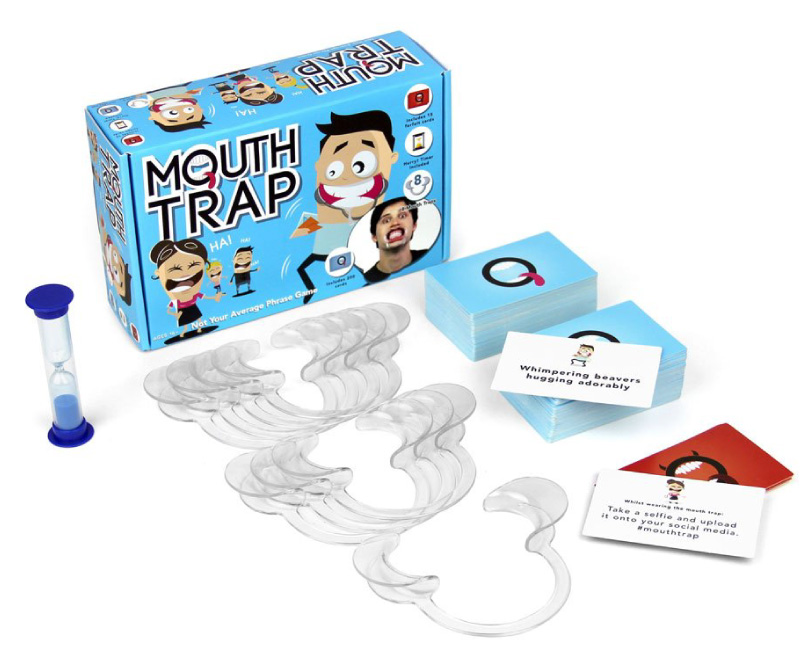
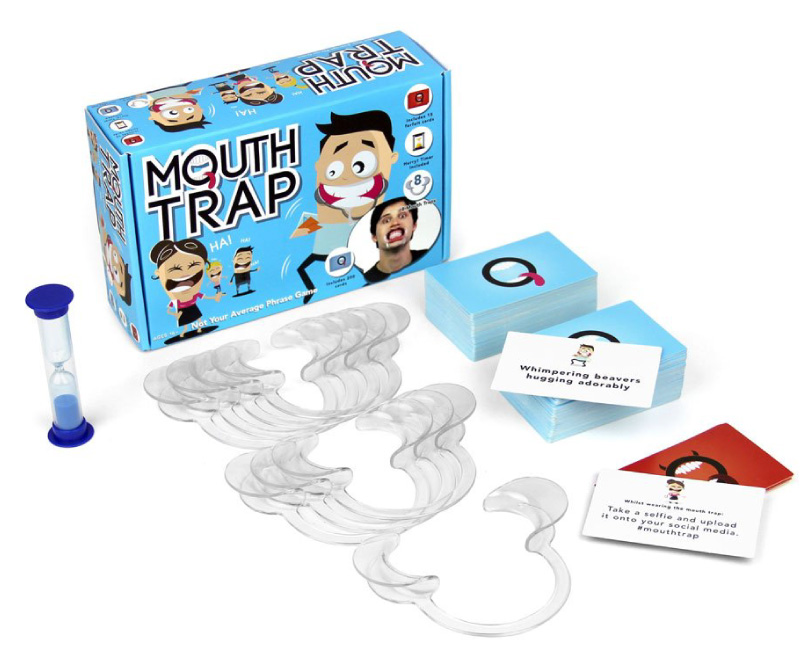
It was not an accident that Mouth Trap was created and sold to 1000’s of copies in shops across the globe.

After undertaking initial research into new product ideas, a colleague mentioned to me that he had seen a game where players had to say silly, tongue-twisting phrases whilst wearing a dental mouth restraint.

I was unconvinced…

He proceeded to open a tab in his browser and play a clip of the television program. Without paying too much attention to the idea, I dismissed it at first. Thinking it was a game, only people like me and him would play. But he persisted with the idea.

I was half right, but little did I or the company realise how popular it would be.

After seeing James Corden trying to speak with one of these dental mouth restraints in his mouth, we came to the conclusion it could be funny if it were boxed and ‘gamified’ for a consumer market in the UK.

We created something that followed a trend but was different enough to stand out from what would become a busier crowd.

We went forward to create a successful card game! And what a blast we had creating it!

My part in the project involved the visual design, collaborating to create the cards and their contents, the box cover, and playtesting the game. Here is another example playtest for another project.

Big Tip 1 ) How to make a retail-ready card game | Research, Research, Research

You need to do homework. Without it, you are making something blind. Ever distancing your chances of hitting your retail success, whether you base this on popularity or consumer sales.


When creating a game you intend to sell in ‘big-retail’ make sure to undertake as much research as possible at the beginning.

For example, we wanted to know if there was an audience ready for the game, we didn’t want to to go the trouble of making the game – spending £ 1000s in company budget and time only to discover nobody wanted it, or that we had no way of selling it.

We didn’t want to leave it to chance.

Don’t just research aimlessly. Your research must carry an aim and purpose.

Considerations for research when trying to make a card game for retail

I have come to learn that there are different demographics in the board game community. These 2 demographics can also be extreme opposites in tastes within tabletop gaming.

When considering how to make a retail-ready card game, ensure you have a target demographic in mind, now design your game specifically for that group. It can be hard to please everybody.

  • Who will play it?
  • How much will they spend?
  • Why would they play it?
  • Do you need to educate the customer on how the product works?
  • Take note of the types of players for the game

These are just some of the questions to ask when creating a retail-ready card game for the masses! Learn to appreciate your group!

Creating a ‘trend’ game with a difference

The game we created wasn’t revolutionary, but it took some lessons from other successes. Something you can take away – you don’t need to reinvent the wheel.

Creating a game is a BIG decision. The volume of eager, fresh-eyed enquires I receive, thinking ‘it’s all fun and games’, is high. It is not long before I see bleary eyes and jaded tones trudging the midstages of a very big project, even when I try to keep clients motivated.

How you frame your project matters both emotionally and financially.

Board game development is a very costly commitment. You will want to see the fruits of your labour, even if you do have fun along the way!

A difference: When working with the team, we studied competitor websites, products, and online reviews. We collected our data and based our design and content decisions around the information we had collected.

This often fell in line with a process the company called NPD – (New Product Development)

Observe the greats, watch the audience, and plan your actions.

How to make a retail-ready card game - NSFW Mouth Guard game Render
Concept and draft for adult edition – this edition was filled with crude phrases

We wanted to know who would buy this product and how we could be different.

We added our own style, created rude cards, included some playful forfeits, and developed add-on packs. It even went so far as to create an early proof-of-concept app, but that was shelved, sadly!

Know This: Retailers won’t take stupid risks | Surfing a trend proved to be a wise move!

Retailers won’t care about your product as much as you do.
They don’t want headaches. They don’t want problems. How can they gain? Retailers want to know what supplying your product will do for them.

That is a blunt way of putting it, but largely true.

Proving that your product follows a trend can put you in good standing, but be prepared to fight in a market that will saturate quickly.

Trend chasing can be very advantageous in the short term, but challenging to sustain and fight in the long term.

Tip 2 ) Making A Game A Retail Ready Success | Learning from the greats ( stand on the shoulders of giants )

Stand on the shoulders of giants! See what they see. See what they do and consider what you can do from this great vantage point. The greats can offer a brilliant blueprint. But a downside to this is that it can hamper originality.

Assuming you have gone with an existing product that has an established community and marketing buzz, creating an out-and-out copy won’t get you very far or last for the long-term.

Setting aside legal issues, market saturation and being a grubby business practice, you will want to create something good and call it your own. Even if you take some inspiration elsewhere.

We brainstormed various ideas on how we could have different modes of gameplay. Alterations to rules, extra dynamics of the game, and remember to keep it low-cost.

Tip 3 ) Get access to gaming retail channels

If you want to create a game that is successful in the retail market, you will need to have access to companies that can sell your game on your behalf.

Or you may prefer to sell your product directly to the customer, but this is much harder to scale as a business. Some companies also adopt a hybrid approach of a wholesale business model and selling directly to customers.

As a case study on how to make a retail-ready card game, or at least a successful one as illustrated throughout this post, I will focus on how this card game was sold.

You may already have access to shops and stores that can sell your game, or you may aspire to sell the game yourself. But if you want to scale quickly, you will need to ‘wholesale’ your game.

This game was sold via Hasbro, Robert Dyas, to name a couple of large high-street shops in the UK.

Finding retail channels for new business can be tricky.

Consider going to Expos and events. Look at Kickstarter campaigns to raise funds and awareness of your game.

For those who are interested. I run a website dedicated to making tabletop gaming and the niche of making games.

You may find the post about: List of UK game expos useful. Or board game fulfillment companies.

OR if you need help with your game design, take a look here :

Need a hand with your board game design project?

Tip 4 ) How to Make a Retail-Ready Card Game | Customer Validation

In order to make a good game, your product needs to be good. It is short-sighted to make a pretty but unplayable game. A crap game will prove it is crap once it is available to the market. The general public can also be ruthless with their opinions. Make sure to run playtests on your game first. As illustrated in this article.

Our card game had become popular.

We needed to create more content and quickly! Surfing the wave of this success, we created more content and more products. We created additional expansion packs, card decks, and different editions of the game to serve a hungry market for the game. The project was intense, but it was both a blast to make and the party game market liked it too.

Observing what the audience said

The game started to gain popularity and traction online from social media, to Amazon, to other forums, comments, and outlets. We looked at the reviews to see what we were doing well and what we weren’t. Some comments can be stinging to read! Others were throwaway opinions.

Design by data.

End-users (customers on the street) were enjoying the game and sharing their joy and comments. This gave us a great sense of pride, we had created something that the world enjoyed.

Our product was making people happy! ( felt good about that!)

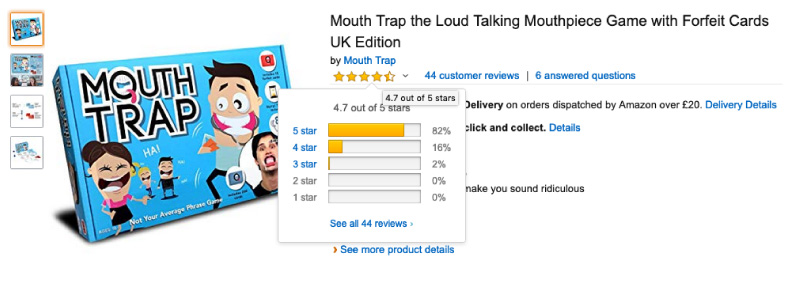
Mouth Trap Product review image
Happy customers!

“Hilarious !! We had a great laugh looking at this when it arrived and can’t wait for Boxing Day with friends to have a game. One thing though, I had a cold when I first tried it and my lips were dry so they got sore, it may be worth putting a bit of Vaseline on before putting the trap in your mouth if you have dry lips”

“Xmas pressie so not yet looked at”

Create something people will enjoy. You want them to take away a good user-experience and feel happy with their purchase. No one wants to pay money for a game that is clearly a rip off and landfill.

Tip 5 ) Keep it affordable

When I say keep it affordable, I mean keep it ‘accessible‘.

When we created this game, we wanted to create something that was good value for money. Adding more to production costs has a knock-on effect. When it comes to selling your game, and whether the end user can afford to buy your game, consider the final cost. This can have an enormous effect on the success of your game. The price point!

Keep it affordable, does it need spot UV printing? No.

Will your cost reduction impact the gameplay? If no, then consider removing it.
The more you add to your game, the higher price you will have either pass on to the customer.

By all means, keep the cost low, without compromising on the quality of the game.

This game was between £15 – £20 for the minified edition of the game. Lower prices can also keep it affordable to a wider audience. IF you want to keep a premium version of your game, consider a travel version or a minified version also.

Use a ‘Minimum Viable Product’ – remembering not to insult the customer with your finished game by going too… ‘Minimum Viable Product’

Tip 6 ) We Play-Tested This Game! Again, and again…

Want to help ensure the longevity of your game for longer-term success? Please play test it.

Once the initial prototype of this card game was created. We tested the product and its phrases to see what worked and what needed improvement. You would be surprised by what you can discover in a play-test.

Don’t do this – A hot t*rd wrapped in a shiny ribbon

I have played a couple of board games over the years, which looked fancy but were either unplayable, unenjoyable, or and with poorly written or ill-considered rules. Even as an indie board game creator, you should aspire to make something that can at least be played and enjoyed.

The aesthetics of a board game are like putting the “cart before the horse” when it comes to making a card game or board game. You shouldn’t create a game that looks good but is terrible to play – people will feel duped!

You are not selling art first. You are selling a board game. However, the art can be very important; it shouldn’t be a compensation for gameplay or game mechanics.

If we were to make this game again. I would still try to make it enjoyable again. Although, do consider that what is fun for one person can be misery for another.

Example playtest for this successful card game

Mouthtrap was initially tested on some peers and colleagues. This is better than no testing at all, but leaves plenty of room for improvement.

Play tests allow you to develop core game mechanics in a safe environment. Don’t leave it to the general public to discover broken game rules and mechanics.

Testing the game ‘only on you’ is the first port of call. But you will play your game as you expect to play it. People often play games in unexpected ways and interpret rules in a certain manner. You can read more on this article of working with Beta testers when playing a game.

Game Consultation: Share your thoughts!

Need a hand with designing your game?

Tip 7 ) The appearance of the game is important to its success

When asking how to create a retail-ready card game, the end product matters if you want to strive towards success. The appearance matters if you want to be taken seriously. Want your product to resonate with target board game players and it matters in the marketing of your game. In certain scenarios, the appearance of your game matters more or less depending on the nature of your game.

Retailers like a ‘professional-looking game‘. They want a game that they feel they can sell to their customers. They want an appealing product to place on the shelf and help sell a product. The retailer may also seek to find a product that is a brand or culture fit with their existing ranges.

Likewise. Players want to look at the game. It needs to look better than something they could do themselves. Nothing too homebrew.

Design can be a great thing for a product. Not just in appearance, but also in marketing and telling a part of a collective narrative in the game. Graphic design; I will say controversially, can also be used as a dark art.

Disguising a poorly constructed card or board game in ‘great graphic design’

If you want longer-term success with your game. Don’t do this. I have played games that looked great but are unplayable. Don’t rely on graphic design as a gimmick to sell a weak product.

A good example of a popular game is Chess. It has come in many guises over time, ranging from drinking editions to Harry Potter, but it still has the solid foundations of being a good game (open to opinion), which can be played over and over again. It needs no introduction.

Chess is a classic game. It can stand on its own two feet without being wrapped in a gimmick, as the foundations are already there. You can play it!

IF you were to design a piece of packaging for a chess game. It would only help to sell an already great game. It doesn’t need design to be used to disguise its shortcomings. Graphic design should be used to help sell an already strong product, not carry it.

Fortunately for this game, we felt that it was fun for most before moving to the graphic design stages.

How to make a retail-ready card game | The Design Process –

This step covers some of the journey involved in creating the product. Creating cards, the logo, the box, the concept, the marketing material for the game… writing!

How to make a retail-ready card game - Initail Graphics and vibe for packaging and cards
Title, logo and vector

Box net design for drinking edition game

Box for drinking editions

Mini version of game

The first box (edition 1) was created using a pizza box type Dieline. The later editions came as a top and bottom box with a lid.

How to make a retail-ready card game the minified games - Mouth Trap
Card design board games

(Card Art

This was one of my favourite aspects of the game. Creating the cards. Later editions of the cards were changed so that phrases were on both sides. Visually, a little less appealing but offered better value to the customer and extended the length of game play.

Piddle Pants Monk – Game Illustration

Vector of a monk that has wet himself!
Heavily changed stock graphic. only the face shape, and mouth are the original
Vectors of drinking bottles
Some of the vectors created by me and placed onto the artwork

All design work on this post is copyright owned. Please do not take or use without prior permission.

Why not start building your successful retail-ready card game!

Need a hand with your board game design project?

You can read more about this project in this post – Designing a board game prototype

How to make a retail-ready card game – Other helpful links

Other websites you may find interesting for making games

Okay, you got me. I am the owner of Dragon Bone Games.co.uk. A website all about making games, a niche gaming that you may find interesting to know a bit more about. Here are some links.

*All links lead to the 3rd party website.

20 killer tips to land your first Junior Graphic Design role

Your first Junior Graphic Design role…. that was many moons ago.

This post offers useful, honest, and actionable tips to help you land your first Junior Graphic design role or internship. Much of this experience comes from hiring design interns and from myself hiring interns for more traditional design roles.

Although I would like to add… the design profession has changed dramatically. There will still be some helpful little tips for me to share.

Now, go get your first Junior Graphic Design role of dreams ( maybe ).

your first Junior Graphic Design role- You are on a mission graduate graphic designer

This post is here to help

“If you have no idea what type of design you want to do, don’t be too hard on yourself – I didn’t know either.”

My older to younger self

Getting your first Junior Graphic Design role: overview

Finding work as a fresh-faced young ‘Graphic Designer’ can be a challenge! More so in this day and age.

In order to land that perfect design role, you need to really sell your skills and passion in a very competitive and crowded market. Saying ‘give me a job’ won’t cut it. Companies don’t want to do you a favour, they haven’t the time. By offering your assistance in the role, you can help in a design position, which may shift your mindset.

What can you bring to the role? Does your portfolio align with what the company wants and needs? Does your style suit the job and the company?

This post has been written to offer assistance in your journey to landing that desired role. Hopefully, following these 20 graduate designer tips will bring you closer to achieving your goal of becoming an intern or a graduate designer. But, I shall promise and guarantee nothing – the creative world is too turbulent for that, I am afraid!

As for my credentials, I have both been a design graduate and a manager in charge of hiring interns and graduate designers. This post will cover what the company looked for (my previous role), what ‘I’ looked for, and what I wasted my time doing in the beginning when looking for work.

My Career Credentials in Design


1) I’m not Neville Brody or Saul Bass.
2) A lot of this experience comes from nearly 20 years working in-house and freelance
3) The rest is self-taught
4) The rest of it is from first-hand experience hiring

Your first Junior Graphic Design role: 20 detailed tips for landing that ideal creative role :


Part 1.

Part 1 – Getting Into Mindset –Job hunting is a job in itself.

1 ) Be positive, and stay positive

There may come a time in your search for work where you will feel down in the dumps, the worst thing you can do if you really want to be a Graphic Designer is throw in the towel too early on.

Some graduates manage to find jobs as a designer straight out of University, they are lucky or super gifted or both… or know somebody.

Others will land roles off the back of work experience

Other graduates will land a job after 4 months of applying for design work ( mine was 11 )

After 400 applications and rejections.

Or moving closer to where you are likely to find design work ( that was my story )

Keep going and push forward. No two people are the same and your journey could be different. Do what you need to do – it’s tough. Think adapt and learn.

2 ) Don’t waste (too much) time with recruiters

I put too strong an emphasis on talking to recruiters en masse when looking for work in London! This was at the start of my career, believing they would be the gatekeepers to my dreams! I can recall a few being pretty blunt, some downright rude, and very few kind or helpful.

Generally speaking, recruiters don’t manifest results if you are a graduate. This may not be the case for all, but this was certainly the case for me.

I will assume they are more preoccupied with chasing bigger commissions. Or speaking with cooler non-country bumkin designers. Who knows!

The few that were useful gave some interesting advice – remember these people. All in all, don’t wait for recruiters. Go search yourself.

Try this website: –
Creative Opportunities

3 ) Keep bettering yourself

This follows on from “wasting time”. Sitting on your computer watching Youtube videos about cute cats jumping off of furniture isn’t going to land you a job!

Make use of your time by researching companies, learning the nuances of your desired design specialisation. The more skills and worthwhile projects you have in your portfolio, the closer you will come to landing your first ideal role.

You may find things like this interesting while you are tinkering with software :

4 ) Imagine your ideal role


Landing your first Junior Graphic Design role is hard enough, so is trying to imagine it.

For me, this was the trickiest part of finding a role, and I feel that my portfolio, although diverse, could have been considered convoluted. This was at a time when graphic designers and multimedia designers did not wear the same badge at all. You were one of the other.

I didn’t have a clue what sort of design job I wanted – I just wanted a lucky break. However, reflecting on it, a more focused approach to my portfolio may have helped me land a role. A scattergun approach can have its advantages, but being too broad can also be a disadvantage.

If you have no idea what type of design you want to do, don’t be too hard on yourself – I didn’t know either.

You want your portfolio and visual language to be in tune with your first full-time job. If you can.

In hindsight, I had no idea about what type of job I wanted! I just wanted a creative job. If you don’t know, consider working backwards – what jobs don’t you want?

With this in mind, this could help you in shortlisting the types of design roles you make like. Now take the time to look at what these types of jobs are looking for and align yourself with these expectations. Hopefully, this may help align you with your first Junior Graphic Design role.

5 ) Your portfolio and CV are not speaking to each other

Not as crackers as it sounds!

When trying to land your first Junior Graphic Design role, make sure your CV and portfolio reflect each other. At least, to a lesser or greater degree.

I don’t think I’m God’s gift to recruiting, design or jobs, but I was involved heavily in hiring my own intern designers. I wanted to see who could assist and help a little while also giving them with their journey.

CVs … CVs everywhere!


I have read great CVs, useless CVs, silly CVs, random CVs, and just obscure and irrelevant CVs. And CVs that looked like they didn’t belong to the same person or portfolio – that is my point here.

Your CV needs to be relevant to the role for which you are trying to win, as does the portfolio. The contents of your portfolio should reflect some or most of the information in your CV as a designer, they should link or marry up.

Spelling and typos are only the beginning. A CV and portfolio that relate to each other will in land a role.

Make sure they relate and match.

6 ) Right place at the right time | luck and availability

Sounds like a cliché? It is!

You can be a ridiculously talented designer with a great portfolio, but if you’re not in the right place at the right time, then you won’t get the job.

Roles can become available due to an employee leaving, maternity cover, looking for contractors for specific tasks, or the company is expanding!

Be on the job boards, be ready, and be available. You need to be watching the job market all the time to give yourself the best chances of finding that desired design role. In other words, you need to make your own luck.

7 ) Businesses aren’t charitable

Your first Junior Graphic Design role probably won’t come out of generosity. When I first started trying to get my first job, my CV and covering letter didn’t hardly brought anything to the job. This is the power of hindsight.

Unconsciously, I expected the role would just land in my lap as I was a shiny new graduate with all the paperwork. Don’t buy into that illusion, I will tell you now.

Graduating or passing your course is just the beginning, and employers smell your un-jaded optimism and inexperience from a mile away.

Here is how I first started applying for design work, so you can avoid the mistakes I made.

How I presented myself ( badly ) when I tried to land my first junior design role


With my begging letter (covering letter) at the ready, it said far more than what was written on the paper. Between the lines it said :

“Please give me a job, I have nothing to offer, and you will be doing me a favour by hiring me… please do me a favour! I need experience.”
Of between-the-lines wording to that effect.

Companies will already know how much experience you don’t have if they take a close look at your CV. They’d only need to take a look at when I graduated to guess my experience level! Avoid pleading and sounding desperate if you can. Even if you are!

Word your CV to sound as if you have something to offer them, not ask for them to offer something to you. Even if this is the reality of your situation.

Draw attention to how you are bristling with energy and ideas, or your design strengths, or how you are a passionate designer who works on plenty of side projects in a similar industry.

Instead of please give me, consider ‘eager to learn and become part of a team.’ Getting a graphic design job – a true ‘Graphic Design’ job is harder than ever to find.

Some kind souls took the time to answer my queries and offer advice, but most of the time, they ignored my queries. I sent hundreds of applications to land my first full-time role.

Aside from drawing attention to my blemish of inexperience, employers will know you are a graduate just by looking at the graduation dates. Focus on what you can do and do well.

Companies won’t hire you out of pity

Section 2 | Getting your first Junior Graphic Design role – Preparation

Preparation is key.

Vector Black Portfolio

Looking at the points before, have you picked your ideal employer or type of job?

Are you considering how your portfolio will align with your ideal role?

8 ) Physical design portfolio

Trying to land your first Graphic Design role as a junior? You will need a portfolio.

As a hiring manager for my own little department ( it was small ), I have had “designers” apply for roles without a portfolio.

You need a portfolio.

This shouldn’t even need to be pointed out, but I have run interviews where ‘Graphic Design Graduates’ came to a creative design interview without a portfolio… or anything to show for that matter. And before applicants got as far as being short-listed, so didn’t have a portfolio with their application, none whatsoever!

Suggestion 1 – A portfolio to win the job.
To win that dream job, you need to show what you can do, not just tell everyone what you can do. A portfolio is proof.

Suggestion 2 – Have a portfolio to hand…. just in case.
For example, I can recall a few applicants coming to an interview without any form of portfolio. To begin with, that applicant was relying on my memory (my poor memory) and hoping that I could recall everything in their portfolio. Don’t leave it to the person hiring to remember; remind them of your awesome designer.

The case for the ‘on-day’ portfolio – your first Junior Graphic Design role

You want to use anything in your arsenal to win that job as a graduate designer, whether through the passage of an internship or via a direct application.

Having a portfolio on the day of an interview can be very advantageous as a graduate designer. Here is a short list of reasons why having a portfolio can be a great idea.

  • (Something I used to ask myself) Did their college or institution not require the designer to create a portfolio? Where did they study!!!
  • A design portfolio will allow you as a designer to put your best foot forward.
  • Your portfolio can be a chance to discuss your best pieces of work and describe your part in a project.
  • Dozens of other applicants will turn up with a portfolio, and it is a very competitive market. You will want to do everything you can in a competitive market.
  • Your portfolio can be a terrific reminder of your skills… if asked!

In my opinion, having a physical portfolio is important if you are attempting to get a print design role. Which brings me to the next point in preparing you for applying to the right role.

9 ) Compile a digital portfolio

Before an employer looks at your ‘physical portfolio,’ you should have a digital portfolio.

A digital portfolio, a website, or an online presence will be used to make that initial first impression.

Whether it is a compressed PDF, a Behance link, or a website, this will be one of the first things an employer will look at when gauging whether to give you the job for a junior design position.

*Remember! When creating your digital PDF portfolio, keep the file size small. Anything above 10 MB may be blocked by the recipient’s firewall.

Bonus tip – Don’t be afraid to include a little bit of process as well in your portfolio or as a supplement. But all-in-all, your portfolio should focus on final product solutions.

10 ) Your graphic design CV


You NEED a CV.

In the same way, a designer needs to be given a brief for a project.


A portfolio alone is not enough as employers will want to see where you have studied, what you have studied, dates, and so on. Employers and HR are looking for relevant information; they are looking for pieces of information and that will help recruit the ideal candidate for the role.

If your CV is irrelevant, thin, sloppy – you are lowering your chances of being selected.

Handy print design CV notes :

  • Don’t publish your CV straight from Word. You are a designer, put some style and class in it to show you design things through and through – including your design CV.
  • Remove irrelevant job experience. Art Directors, Senior Designers etc, are not interested in your paper round from when you were 15. You won’t be delivering papers in your internship or graduate design role, well… at least you are not likely too!
  • Make it easy to read and skim. Hiring managers are in a rush, and they are also human… make your information snappy and easy to navigate. They might be reading a lot of CV’s and by the 70th applicant, the focus can start to go out of the window.
  • Use your CV to sell yourself and reinforce your absolutely killer portfolio!

11 ) Write a covering letter worthy of landing your first Junior Graphic Design role


I don’t proclaim to be god’s gift to writing covering letters. But, covering letters are where I have seen some of the biggest mistakes in an application for a junior design position.

Keep it polite and acknowledge the job listing.

You can sniff a ‘copy and paste’ email from a mile away, as it seems to ignore all of the points in the job listing. But if you do ‘copy and paste’ make sure to add the name and don’t leave sentences like this. eg, the spaces are still there.

“Dear _____

I would like to apply for the position of ____ as I believe I could bring something new to the team.


I have seen letters with the “___”still left in. Remember to fill the blanks at least.

Speak to the reader, show your passion. Say what it is you want to do. And try to add the most compelling information in the opening paragraph for jaded eyes.

12 ) Your CV is full of sh*t ( Don’t talk crap! )

Sorry, was that blunt? Please take it with a small dash of humour. We can all over egg a CV. But a CV that talks rubbish is easy to spot in the design sphere. Especially when you should have a graphic design portfolio show.

I’m going to let you in on a secret.

After reading many CVs applying for the creative intern roles at my former company, I stopped reading the CVs first. This is why :

  • Some CVs lie
  • A portfolio can say more about the designer
  • It saved time
  • I value a relevant portfolio over a well-written CV telling me what I want to hear

For me, it became a portfolio first and then a CV.

Here is a small design story.

Your first Junior Graphic Design role – A Dull CV Story

Many moons ago, many applicants would apply for a design role. And I mean many! On their CV they would proclaim : “I’m a graphic designer,” ” I own Photoshop!” or that they studied an irrelevant field, so it entitles them to that title – Graphic Designer!

If they are allowed that badge… where does that leave those who studied it?
Or the self-taught one who toiled for years?

I have read CVs that say they have worked on many projects, yet there was but a single A4 page with a poorly designed classified ad in the top left corner.

Some, state they are the next best thing to come into the design world. etc etc. I’ve read their hyperbole, been hyped and somewhat entertained by their prose, and then looked at the portfolio….

Practically nothing. Hot air.

With the one particular applicant in my mind, that isn’t me bashing a graduate designer, not at all. I don’t blame them for trying to find work. But there is selling yourself, then there is the proverbial talking out of it. CV’s can say one thing, but a portfolio can say another.

I wasn’t convinced they studied design, unless it was at the school MS Publisher 1995.

It was these little scenarios that led me to adopt a ‘portfolio first’ approach to the recruiting process. Let me see what you can do, now tell me!

Part 3 – Getting your first Junior Graphic Design role | Uncomfortable & unspoken realities

I’m going to spill the beans on things outside of your skills, CV, and portfolio that may or may not impact you getting a junior design role, and it is not just down to a lack of experience.

Some of these are opinions, first-hand experiences as a design jobseeker myself, and from quiet conversations behind closed doors.

Hopefully, the points in this section will be both helpful to you and make me hated by recruiters and companies. So be it!

13 ) Your university, school, and background can influence your selection

Ouch…

I would like to add that I was sympathetic to those who were not ‘in the club‘ – I was never in the club either. I think graphic design is not immune to this method of selecting who does and doesn’t get the job.


After a conversation with another Senior Designer, I was surprised by a couple of things about their selection process at their company.

According to the designer, at a certain establishment, they checked the following:-

  • Where applicants had studied ( they chose from elite universities )
  • Grades – fair enough
  • Secondary school and GCSEs‘secondary school and GCSEs?’ –

    ( Record skips and scratches, tea is spluttered everywhere! )

    Honestly.

    And… ‘Secondary School’

    This one got my goat a bit. Most graduates did not choose where they studied in secondary school
    , so how is it fair for this basis to be an influencing factor?

You cannot choose your past or where you went to school as a teenager. Back in school, I didn’t know what I was going to study afterwards, nor did I know that being at that school could have an influence. Believe it or not, I think there is a certain level of elitism in certain establishments that goes beyond your accomplishments and attainment, sadly…

The monocle club is selecting!

your first Junior Graphic Design role

14 ) Geography – Where you live can impact your chances of getting a design role


This is both from personal experience as an applicant and as an employer.

Recruiters and employers can sometimes see ‘where’ you have applied from. So if you are looking for a Job in London, for argument’s sake, and you are based in North Scotland, certain job websites tell the recruiters and prospective employers where the application came from.

How do they know, and why does it matter where you are based?

It shouldn’t, but it will be counted against you regardless. Recruiters and employers like you to already live near the location where the job is situated, unless it is a purely remote position! I will come to what I believe to be the case shortly.

Geographical pains of getting a junior design job in London

My location: I have experimented with this by accident. I the past. On my CV, I wrote that I was currently living in London, I was staying in London on and off, but of a fixed address there.

On my CV it stated that I lived in London. I applied for a role through a website, and a recruiter rang me the following day.

“So your CV says, you live in London, but your application came from Cornwall?” That is a paraphrased version of the conversation. Some of the remarks after that – don’t worry, you live too far away, I need you this afternoon, or based on a recent conversation I asked – “Does it matter where I live now?”
“OF course it does!” they replied!

It matters. This was more of a gulf than a hurdle, as I found the design industry to be quite concentrated in London, as many things seem to be so London-centric. Despite the fact that I was up and down to London frequently, they wanted somebody who lived their all the time. there

It was mostly from recruiters who would bin my application after finding out that my permanent address was in Cornwall at the time.

The why! Recruiters want to make money quickly, and sadly, if they find another eligible graduate for the position who lives in or around London, they will get the first pick; it can be as simple as that.

When recruiting for an in-house junior design role


When hiring for internships, my previous MD favoured local applicants as it was convenient, among other reasons. As a designer myself, I tried my best when possible to favour passion, talent, work ethic, and a cracking portfolio when selecting a candidate!

Geography was irrelevant to me, as I wanted to hire based on merit and suitability of the candidate.

However, pay heed to what was mentioned above and note the bigger picture. Recruiters, bosses, companies etc, will often favour those who are near to those who are far. And in terms of supply, there is a glut of graduate designers trying to find work, especially in and around London.

It could be a stark realisation, but if you are a match for a match candidate who can start immediately, this will put you in good standing compared to those who can’t.

What if you live too far away from landing your first Junior Graphic Design role?

It can be easy to become despondent when applying for design work. I spent 11 months applying for my first full-time role in London. Adopt the following mantra to overcome the geographical bias:

  • Persist and keep applying
  • Be patient
  • Find a friend or relative to stay with whilst you look
  • Look for more creative jobs that bypass recruiters
  • Move nearer to a big city and find alternative work while building your career
  • Consider remote positions

15 ) Your first design role | You might be working on boring tasks at first

As a graduate, you may be given some repetitive or smaller jobs.

But you should use these to your advantage, do a great job, do it quickly, and use these tasks to make an impression!

You might also get a great reference from your employer at the end. Onwards and upwards!

Part 4 | Getting your first Junior Graphic Design role | Employer’s Perspective

Here is a short glance through an employer’s lens when recruiting for a junior design role.

16 ) Let your character shine!


A great portfolio, an active mind, somebody who will do the tasks when asked! These were all traits and signals we were looking for when hiring. We wanted to recruit a graduate designer who was buzzing with flair and ideas. We wanted a graduate who would be able to apply their skills to the brand and be part of a team.

In a highly sociable office / studio, I would have to gauge how the applicant may interact with me and the rest of the team. Do take note of how I mentioned ‘the rest of the team’.

It was not enough to only get along with me. I needed to gauge how the applicant would get along with the others in the company. I could be away, in a meeting, or really busy.

If I left leaving the junior designer alone with the sales manager, it would cause the office to combust; it was a risk I could ill afford to take.

How you bond, think, act and speak has a bearing on your application.

There is more to an interview than just a Portfolio and CV. As is winning the junior design role.

17 ) Ask questions, show interest

When applying for a junior design role, take an active interest in the job and company. It is not enough to say you have taken an interest in the role. Make sure to do your homework and come prepared for the role. An interviewer may not ask you anything about what you will bring to the table in terms of ideas, on the other hand – they might!

18 ) Sharing your ‘Interests’ on your CV

Why did this matter to me and the company?

Varying from industry and role to role, sharing your relevant interests may have been utilised for the role advertised. For example, are you passionate about football? Are you applying for a design job that is all about football? This could be helpful to know!

It’s not a huge point, but as strange as it sounds, if I were interested in the candidate’s CV, I would look at their hobbies and interests to see if I could find any relevance.

If the candidate mentioned that they were interested in ‘tech’ games, gifting, arts and crafts, etc it, it could have been a tipping factor for taking more interest in their application.

Not all companies will care about your interests, but I paid attention to them as a footnote on CV.

Consider adding some interests if you think they could be applicable to the role, or whether it will help your bond with the team.

19 ) Commercial experience will put you at an advantage

Relevant experience will put you at a distinct advantage when applying for your first Junior Graphic Design role. Although I do appreciate that this can be very chicken and egg when applying for a role to gain experience.

Any commercial design experience is still transferable experience.

Whether you gain this experience through family & friends, internships, college, university, freelance, or by any other means – this will place you in better standing for a design role in the future.

It can be extremely frustrating to gain experience, and I would highly recommend trying to get as much as you can while in your study years instead of when you are kicked out of education and into the job market. Getting experience can be tough.

I tried to be sympathetic towards graduate designers having no commercial experience when hiring for internships. Speaking in broad strokes, design agencies like you to have experience when you walk through the door.

I collected my experience together via my HND in design, Work placements, and starting with freelance work.

20 ) TAKE NOTICE | Watch the job market around you

Since I first wrote this post years ago, a lot has changed. Even the Graphic Design industry has changed considerably. This point originally said to ‘stay positive’ but I felt this needed a dire change since that point was written!

When trying to get your first Junior Graphic Design role, please pay attention to the design job market. The design industry and design jobs market are ever-changing, and what is true of today may not be true of tomorrow.

Graphic design is at a challenging time – make sure to check your skills and portfolio. Be desirable to help you land your design role.

I think it is okay to consider whether higher education is relevant or will help you land a job. IF you feel it isn’t, consider ways in which you can make yourself ‘more relevant’ and desirable when that job finally comes up.

Don’t bury your head, don’t be passive, don’t wear blinkers. LOOK.

Takeaway to getting your first Junior Graphic Design role

There is a lot to getting a design job, and I am not 100% certain the same rules will apply in the future. But from the more human basics of landing a job, much of what is written will carry.

  • Make good use of your time.
  • Be prepared, have your portfolio and CV ready
  • Remove irrelevant information from your CV
  • Create a portfolio that is applicable to your ideal role
  • Get as much experience as possible!
  • Work on personal projects and keep bettering yourself
  • Try to network with companies, directors, charities, etc – focus much less on recruiters
  • Keep checking job boards
  • Show interest in the role if you get the interview
  • Keep a close eye on the industry and try to align yourself

Stay positive, I’ve had a couple of cringey interviews!

While seeking your first Junior Graphic Design role, these may be interesting

jimmsdesign