How to make a product for your business

Developing a product for your business isn’t a small undertaking… but it can be very rewarding if you do it right! This post has been written to share useful experiences for creating a product. In order to create a product, you should consider certain key aspects of its design.

So, how to make a product for your business :

  • Who is the product for?
  • Is there a market for your product?
  • Does the market need your product?
  • Would the market want your product? can you find out?
  • How much will it cost to create the product?
  • How will you market the product?
  • Where will you make your product?
  • Timeframe for product design

The questions above cover a couple strong questions when creating or launching a product.

Tips for creating or designing a product

Also, this post will cover what you shouldn’t do when developing a awesome new product. Enjoy!

My experience in creating physical products

In the early stages of my career I would never have imagined that I would have been involved in designing and launching physical products, it has been a journey that has both been challenging and exciting!

Speaking creatively, designing a product opens up a whole new road for innovative exploration – you just need to remember to put the breaks on every once in a while and assess why and what you are making.

My experience mostly covers designing products that are made from card and PET. I have also been involved in creating physical card/board games, developing learning products (STEM) and Flash Memory (injection moulding) and last but not least, the retail packaging that houses products.

Who is the product for? (It’s not you)

When you create a product, it shouldn’t be a product for you. This may sound counter intuitive but you need go beyond a gut-feeling if you really want to push the success of a product. One mistake I have often found is assuming that everybody else is a bit like me to a lesser and greater extent – this couldn’t have been further from the truth.

Not everyone is like you.

Do you represent a demographic that would buy your product?

It can be a good start if this is the case but try to get some idea who would buy your product through looking at information online with trends, forums, statistics and if you have the money and resources, surveys and product testing. These early stages will help to decipher whether there is viability in your product.

Don’t leave it to chance.

Make your product about your customer, make it something they would love, solve a problem, entertain. It will be them that buys the product in the end – not you. ( you may find this interesting, making a board game prototype )

How to make a product for your business | Product Validation

A very good way for a business to get a product validation is by testing the waters on a crowdfunding platform such as Kickstarter or IndieGogo. If you are going to do a Kickstarter, make sure you have a crowd and an audience ready on the launch day.

This is not a mandatory way to validate a product, but it does show if there could be a demand for your product.

If you would like help with your Kickstarter design you can read more on this post.

Is there a market for your product?

Assuming that you may or may not have gone down the crowdfunding root for your trailblazing new gadget or product do you have any evidence that the world ‘needs’ or would like your gadget or product?

A good way to check is to see whether other companies are selling something similar – I know, I know – you want to create something SO unique that you would have made Tesla shed a solitary tear but creating something without knowing if there will be demand can be a huge financial risk, and you could end up selling something that the world does not want or need.

It is a crushing feeling

if your product can’t get off the starter blocks when you have invested so much time and money into your passion. Make sure you do your homework first and maybe consider the – paragraph above “Product validation”.

Who knows, perhaps after creating your first few products you will be in place to show the world what you offer is better than what they want.

In time…
Show the world what you have to offer...
Show the world what you have to offer…

Great women inventors

Keep the cost down to create your product (*MVP)

If you are a creative or a student reading this post, you are probably going to hate this point. For your product to be commercially successful, somebody will need to be able to buy it! I know, who would have imagined!

Unless you are creating a product for wealthy people with large disposable incomes you will need to consider if the man or the woman on the street can afford what you are trying to sell them.

That will generally come back to keeping that initial manufacturing cost down.

Creating a Product As a business owner or Start-Up

This may sound like familiar territory to you. The lower the setup cost, the better the margin or the cheaper you can sell your product and it have a wider market appeal. A lower RRP will make your product more accessible to a larger buying market with shallower pockets.

The type of product, brand or business you want to be is down to you. It will come down to you how much you believe the customer is willing to pay for your product and be brutally honest with the prices.

This may influence whether you do mass production, batch or stay with smaller scale cottage industry production. The choice is yours – based on your research and expertise.

How much does it cost to make a product?

It can cost anything from 10p a unit to £1000’s of pounds for a large mass produced run, it comes down to the materials, where you have your product made, speed and many other smaller factors.

Costing and pricing is a crucial stage for the success of your product. Below are a few factors which you should take into consideration when pricing the development of your product:-

  1. How many units will you make

    Generally, the more units you manufacture, the lower the unit cost is in larger quantities.

  2. Where it is manufactured

    It is common to find products that are manufactured overseas. This is a common practice in manufacturing as it is generally cheaper to manufacture products in place such as China.

  3. Packaging

    Depending on the level and complexity of packaging this can affect the cost of your product per unit. Having too much packaging could be costly and frowned upon by a modern and more eco conscious market. – You can read more on packaging here >

  4. Transport and unit weight and size

    The weight and size of your product will affect the unit cost of your product.

  5. Other languages

    If you are intending on creating a product that will be sold globally, you may wish to consider having translations added to the retail box. It can be inexpensive for translations to be created and worth considering as it will open up a much larger audience to your product.

  6. Barcodes

    If you are intending to sell your product to high-street retailers you will need a product Barcode. I wasn’t involved in the process of creating product barcodes in the past, but as far as I am aware it is relatively cheap.

  7. Instructions

    Large retailers will expect instructions as a basic requirement for your product if it something like a piece of electrical equipment, a gadget, a game, a tool and items with moving parts. Instructions can be made cheaply, but they need to be made ‘properly’.

  8. Other Admin and legal areas

    Your product may need testing for chemicals and toxic substances to meet with trading standards. These requirements differ from country to country and isn’t something I can advise on. I can only mention that you should be aware of it is best to seek professional advise.

* it should also be noted that Brexit ‘may’ have an effect on goods being imported and exported in and out the EU.

Marketing Your Product – A very important step

This step should not be scrimped on but is often is. It is a waste of time and money putting all of your efforts into creating a product that the world cannot see. Don’t rely on blind faith and hope that consumers looking to buy a product will stumble of yours. You will need to be proactive and there are actions you can take with a short or non-existent budget.

Invest your time, energy and planning into some good marketing and if you cant invest money, research low-cost or free marketing ideas.

But remember, free is rarely free. Time is still a cost also and if you can avoid doing it all yourself I would advise looking for help.

https://www.shopify.co.uk/blog/how-to-market-a-product

Shout out Marketing
Shout out Marketing

The marketing of your product can cover a large area; from the branding to the packaging to the website. 1 idea for marketing your product could be to consider crowdfunding – if this fits your business model.

A method for getting your product out there

a) Make a good product
b) Create awesome packaging
c) Present the whole package.

Show your cool packaging to a buyer and let the large retailer do the heavy promotional lifting and display your product. I have seen this method work time and time again but you need to master your pitch.

Other Notes on creating your product

There isn’t a guarantee your product will succeed the first time.

I feel this should be added, not every single product you develop or make will rip it into success. Although, I hope that this article may guide you and help you steer clear of any pitfalls in the early stages.

I think many inventors make many products and prototypes before they blow it out of the water. Eventually, they find that eureka! And so will you if you if you have the right skills, knowledge, and attitude. I have written about the success of this party game >

IF you found this article helpful free to link to, share or show friend.

‘Do Not’ for developing a product.

– Don’t rely solely on your gut when creating a product. Try to do some research and understand your target demographic

– Developing products for the tech market can be volatile – especially if you are making products which are accessories for a model of (whichever product) Creating something for the latest release lasts as long as that model does. You either have to move quickly or end up with a warehouse full of products you cant sell.

– Don t assume that customers only look at pictures on the packaging, they do read the details on the back of the packaging, and if something is a little bit off – they will email you to let you know.

* Minimum Viable Product Quick Answer : What does it mean?

If your manager or boss has just mentioned the term MVP this stands for ‘minimum viable product’. A minimum viable product is just that, a product that is still worthy of being sold but is stripped back to the bare essentials.

E.g a car with 5 wheels, bike rack, a rearview camera, fine leather interior, sky television etc

MVP version = 4 wheels, plastic interior, simple functional car (Save money in other words)
That is the end of the post for How to make a product for your business. I have tried to share some of my past experiences and how they can be useful for you.

I hope this post was useful to you and give you insights on how to make a product for your business. This is all based on past experience which I have shared. if you feel that this was helpful please share!

Thank you for reading “How to make a product for your business”

Maybe you’d like to read: How to create a game in steps >
Or Develop packaging or how to design a gaming app

If you have any questions feel free to (opens in a new tab)”>contact me through my website >

How to get your packaging printed in China | 9 insights for Designers, Entrepreneurs & Startups

How to get your packaging printed in China in simple steps. This topic covers how to get your packaging printed in China from the concept to sending your design to a Chinese factory and getting printed proofs!

This post has been written based on past experience, in working with factories from overseas. My packaging design and artwork has featured on boxes in the UK and across the globe. If you would like to see some more samples of my packaging feel free to have a look!

Getting your packaging made in China
Getting your idea made!

General information about this post :

– The pitfalls
– What to expect when working with the factories.
– The typical stages
– Other details experiences

This article discusses my professional experience in getting packaging artwork printed with Chinese suppliers – all experience told from a design perspective.

I hope that this post will help you make an informed decision and how to go about getting the results you want from your suppliers.

You can get your artwork printed in China from a reputable factory or supplier. The challenge is finding a reputable factory and supplier and when you can’t speak the language, it can be difficult.

1 ) How to get your packaging made for your product (Chinese Factory)

If you are a business, an entrepreneur or someone looking to get a product manufactured for the retail market you will need packaging for your product, unless you are intending to sell only online using brown boxes. If you would like to read or see some of my eCommerce design you can view it here.

To be taken seriously, you will need to have professional packaging made.

Working with Chinese suppliers can be a great cost saving measure but you will need make sure you select the right one.

Mass production packaging

2 ) Why do companies get packaging for their products manufactured in China?

There are many reasons for a why a company may want to get a product or a piece of the packaging made in China if you are from a western country such as the USA or United Kingdom.

By far most common reason for getting products manufactured in China is to save money on production, printing or manufacturing fees. From a business perspective, this is great news – but it isn’t always as ideal or as cheap as it actually sounds. If you pick the wrong supplier it can cost you time and money and can even lead to trouble further down the line.

3 ) How to supply your packaging design to a Chinese factory

This isn’t as tricky as it sounds from the designers’ perspective but be prepared to teach the factory how to suck eggs. DO NOT Assume they will understand what you want. And DO NOT assume that things will be created ‘as is’, on occasions factories may ‘help’ and tinker with your work without your consent.

Stay vigilant on the process

Very vigilant…

Frustrated Designer… Frustrated factory, Frustrated business… etc

When you create a design you will need to annotate and make it as clear to follow as possible, be it using spot UV or any extra features this will need to be told in FULL.

I would also strongly advise on sending rough mock ups or drawings to help communicate what it is you are setting out to achieve. Visuals often make one of the best lines of communication when having your sample made with a Chinese supplier or factory.

Getting angry at the factory won’t accomplish anything.

It won’t fix the problem.

And it wont make you wealthier and it wont speed up the process. The ball is in your court in the end and it just needs to be right.

Send them visuals and explain EVERYTHING.

4 ) How to find a Chinese packaging a supplier

There are hundreds, possibly 1000’s of businesses online that are looking to print your packaging in China alone. You could go onto a website such as Alibaba to find a supplier or through Linkedin.

I still hear from suppliers coming through my Linkedin account.

By the far, the most effective (not cheapest) way is by hiring or contracting someone to work as a middleman or woman to work between you and the suppliers.

Communication is key in getting your design correct otherwise you will get something you didn’t want from the factories.

I would argue that getting a good supplier from one of the factories should be a top priority. A bad supplier will result in bad results – funnily enough!

Here are some key points when finding a factory or supplier to work with:

– *Find someone you can trust*
– Work with a factory that offers a quality service
– Get as much written down in the beginning as possible
– *Try to get prototypes or samples from factory supplier before mass production.

5 ) What to expect when having your packaging or product made in China

It all comes down to your supplier, communication and how you supply the artwork. It’s best to have everything ‘exactly’ as is when supplying artwork to factory and also be prepared for a bit of randomness when it comes to how they may produce the work.

Be vigilant and make sure to get ‘proofs’ from the factory.

I have written a couple of quick steps for you to follow when producing your packing:

– Find a reputable supplier, if you have somebody that is fluent in Chinese this can help tremendously

– See if you can get proofs or past evidence of packaging and material samples. What they sometimes say you will get and what you actually get is not uncommon in my experience.

– Getting digital proofs of your artwork through photos, and flat-screen image is a must.

– Delays can happen due to miscommunication from either or both parties.

– Don’t let the factories take the initiative.

– The factories are generally better at giving you want you want if you send a 3D mock up or illustration.

– They are often very good at the cardboard engineering stage but not so much on the creative side.

– The factories can improve as with any working relationship with the more work you send them.

– Weather can affect how and when your packaging may arrive.

– The Chinese factories can damage the packaging during ‘packing’ if they are rushed. Try not to rush them if you can help it.

– When supplying artwork, leave nothing to the imagination.

6 ) How long will it take to see your design once it is printed and shipped from a Chinese factory?

When having packaging printed In China, I have often seen a sample come back within one month, they can be very quick! Occasionally 3 months, depending on the weather, suppliers workload and method of transportation.

Shipping from China!

7 ) How to get packaging printed in China | The realities

When it is good it’s great and you will generally save money. When it isn’t great, as with some things in life, it can be a complete nightmare!

Working with new suppliers can be the most problematic as neither of you are familiar with working with each other, you don’t know each others strengths, habits, communication etc.

One of my mistakes when working with a new Chinese supplier is ‘assuming’ – assume NOTHING. Below are some assumptions to avoid based on past experience.

– Point 1 – Don’t assume that they know what is in your head.
– Neither should you assume that a single colour should go all the way around the packaging eg – if you leave white bits on the fold … they will print it as is.
– Don’t assume that they will offer the same level of service twice, they may be busy or rushed – or just – won’t offer it for some unknown reason.
– And don’t assume that the factory understands what is to be made when you supply the artwork. You need to make sure what you want is as clear and as transparent as possible – in the end, if you are the designer, or manufacturer, the buck ends with you.

Make it easy and clear, and talk about everything you can. Don’t assume their knowledge.

Get it right you will have a great piece of packaging. Get the communications wrong and you will be in for a whole load of pain.

8) Great reasons for having your work made In China

I feel that I have covered many of the perks scattered through the post but it may be easier to bullet point why it is a good idea to have your packaging and product created in China in a quick to scan list.

– Getting work printed In China or overseas is often cheaper than getting work printed in western countries such as the UK or United States
– There is an abundance of suppliers of products and packaging manufactures on websites such as Alibaba
– It’s easy and quick to get wholesale and bulk quotes for your product
– Using a factory in China will help you save money if you are looking to reduce overheads.

9 ) The ‘challenges’ with getting things printed in China

For its many perks and plus points for getting packaging and products printed in China it also comes with its shortcomings and challenges. I have listed a couple of points below based on first-hand experience and industry observations.

Copyright theft: the factories are notorious for stealing and selling your product ideas as their own. Not every factory is like this, but it is not uncommon. I have witnessed Chinese factories use my previous employer’s artwork and pass onto a competitor. There are other random knock off’s I have stumbled upon ranging from copies of renown books, bad copies of Hollywood films etc.

Stealing Kickstarter’s: I have seen factories steal Kickstarter campaigns and undercut the creators. Worse, the factories release their copy to the retail market before true creators have made it themselves. Sad stories really.

The decrease in quality: This isn’t something that always happens but on occasions, the suppliers I have worked with would do little things like: use less glue, ship scuffed or damaged work, rush on the packaging if you have blisters inside your box etc.

I also think this was a case of reducing expenses and overheads, but that is only my opinion.

As with anything, there are always challenges that can come when producing products. I have also worked with printers in the UK which have ignored specifics such as bleed and just printed it as is. Although one bonus as with most things online, is that you can check reviews

Getting packaging and artwork printed in China

Thank you for reading this post on how to get packaging and artwork printed in China. If you would like to know more about getting your work printed feel free to get in touch or view this post about packaging design

I have over 10 years commercial design experience and over 8.4/5 years working with retail design and producing packing through the Chinese factories.

You may wish to read more on :

How I designed a novelty flash drive product
Packaging Design
Creating a Killer Kickstarter Page
How to have your brand tell a story

Packaging Projects | high street retail ready design

It has been while since posting a project update, as many of the other posts have covered industry insights and experiences.

One of core project that appears to get a lot of attention is the post on how we created a successful game project. A post that is packed full of information on our design approach and what we did.

This Design Post

This post covers a range of packaging designs that were used and are still actively being used in the retail market – a phrase that was used often when creating the packing was “retail ready”.

These designs range from Tech Girl, Satzuma Gifting, Stem and a whole range of projects and pre-production artwork. These products have graced the shelves of Boots, Tesco’s TK Maxx, Robert Dyas, Menkind, Staples and stores across the globe.

Unicorn Power Bank

Unicorn Power bank packaging
Yes… yes it is a Unicorn. And a Power Bank
Idesign for Smartphones, retail
Packaging and branding design for a ‘build your own Smartphone cover’ product

You can read more on the project on the portfolio website. It covers the branding, the packaging, the marketing and the digital design.

Proof Of Concept Packaging

The proof of concept packaging was used for design approval, used in product pitches to large retailers and also used to ‘visualise’ the package for print factories.

Beard Bib Packaging
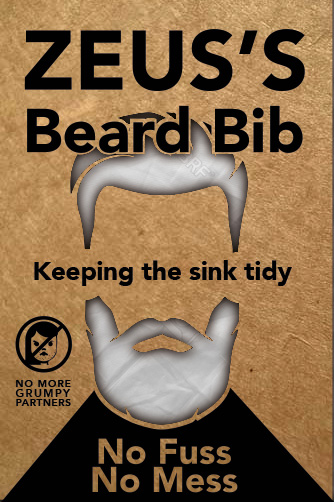
Early Beard Bib Packaging, This was put together very quickly to get a feel for the concept.
Packaging design
Packaging illustration
Packaging design for game
Boogie Pong Game Box Mock Up
Packaging design - mock up
Another Tech Girl Mock Up – Typography would be ‘Rose Gold’
Jeantech Power Supply
Mock up / Render of a power supply box
Flash Memory Top - FSDU
Flash Memory Top – FSDU – Final Proof
Neon Packaging concept
Neon Packaging – Product – Testing look and feel

Packaging Nets

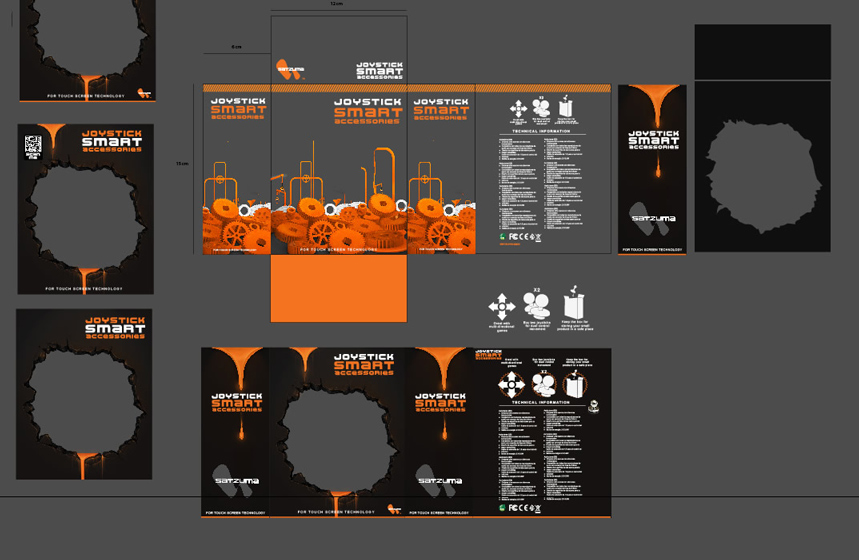
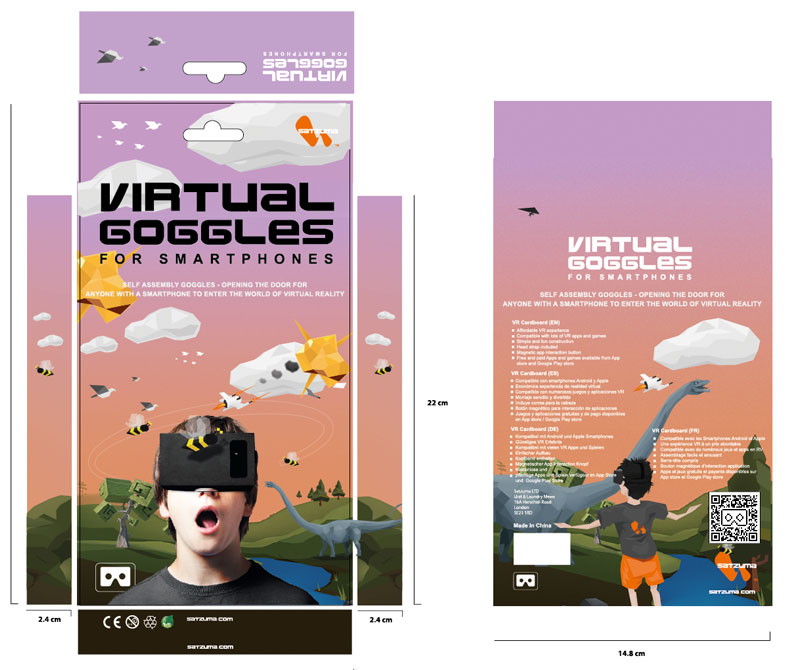
The images below show the flat nets of the packaging. This is the print ready or near print ready artwork that is generally sent of production after approval.

Early Joystick Design
Early Joystick design – Packaging – Card + PET – Concept (shelved)
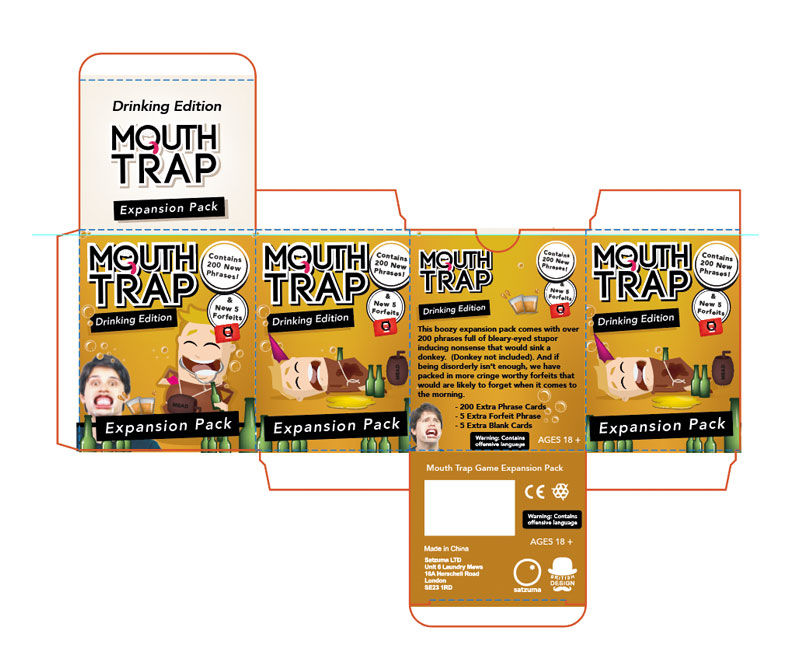
Flat net of am expansion pack
Card box net for packaging an expansion pack.

This is one part of a larger gaming project, if you would like to read more this product please feel free. Or if you would help with you card or game design feel have a look.

Net for a VR Google Card
Google Card Design
AR Blaster Packaging
AR Blaster Packaging Net
Stem Product | Build You Own Robot
Beard Bib Dev
Beard Bib Dev

Final Products & ‘In Situ’ Shots

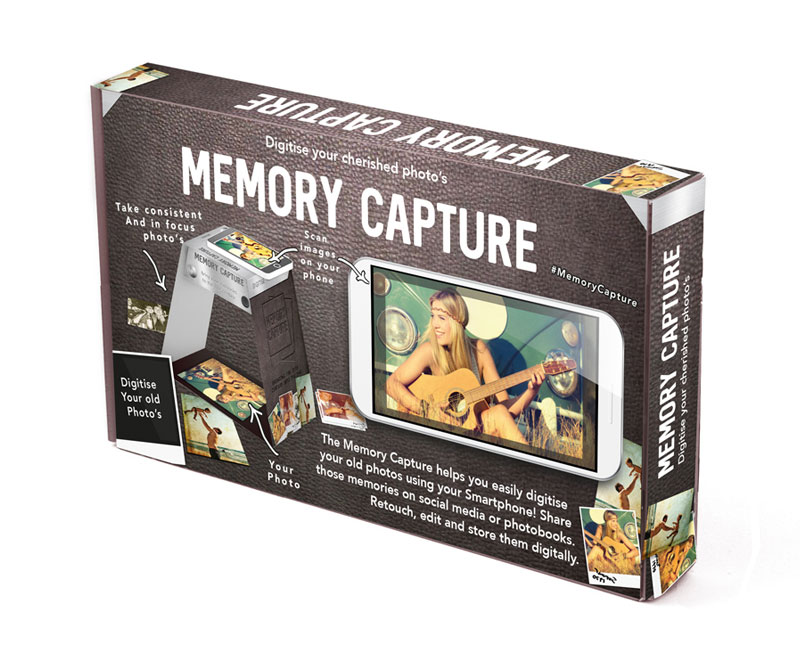
These are the completed products based on the designs I supplied.

Memory Capture Box & Product Design
Head phones packaging
Counter Display for Product
Counter Display for Product – VR Goggles
Packaging design - neon sign
Make your own Neon Sign
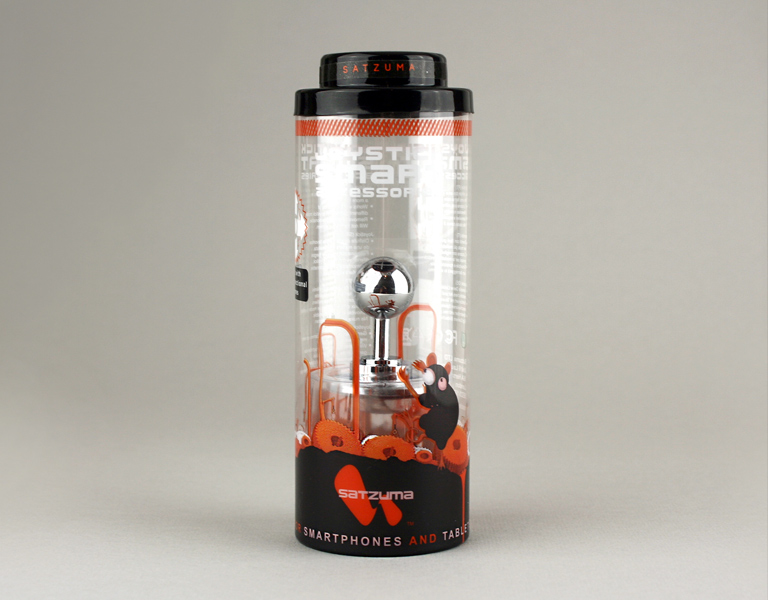
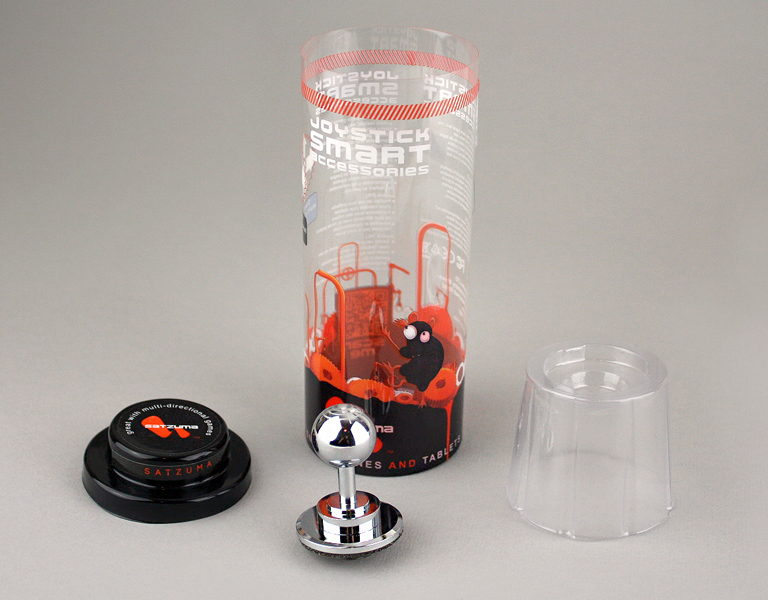
Joystick
Joystick Packaging
Joystick Packaging
Flash Drives 8 GB - in store photo!
POS design inside a retail store.

That’s all on this packaging post!

Retail Read Packaging

If you would like any assistance in your latest packaging design be it the concept or putting together a punchy, relevant and cost effective solution feel free to get in touch or have a look at projects on the brochure website.

Retail Ready Packaging Projects – Perhaps you’d like to read :

How we created a killer Kickstarter page quickly and on a tight marketing budget – in steps!

This post covers how we planned, created and constructed a Kickstarter page down to the intricate details with a demanding deadline! We wanted to create a page that would both captivate prospective backers and sell a product… with all this in mind, we set about to create a Kickstarter page design quickly.

The crowdfunding page is a final hurdle, the last and important bastion of your project which shouldn’t be ignored.

Kickstarter Logo

How to create a killer Kickstarter page

As you may or may not be aware, creating A Kickstarter isn’t a small undertaking. There are many contributing factors that can influence the success of your campaign, these can range from: the product you are trying promote, the size of your audience, your marketing, page design, your authenticity – the design of the page is a single element of a much larger project. There is no absolute rules to designing your page, Although I have listed some key elements you should certainly consider.

Kickstarter Page | Basic Design Steps

The General Outlay Of A Kickstarter Page Template

  1. Introduce the product / campaign

    At the top of your page, you should place your product or item you are trying to promote. It will be the first thing a potential backer will see. Take this into consideration.

  2. What is the campaign about

    Introduce what your campaign is about and why they (the backer) should back you. You could also consider a talking a bit about yourself here.

  3. Product Contents

    Break down the campaign or product down into details. The KS crowd love to know about what they are backing. For example if you are making a game you could place some of the individuals characters or miniatures.

  4. Key Information

    it is a good idea to break down reward tiers, shipping, when etc so Backers know the details of what happens when they back you what they get at the end of the Kickstarter campaign. Remember to keep it simple to skim.

  5. Trust

    Can you make your product? Do you have experience? Are you passionate about it. Build trust with your campaign.

    Also, place the emphasis on how it will help a backer if they offer their money. Don’t focus on you too much.

    Look at the visual template below on how to Structure a Kickstarter Page design. This is your pitch remember!

Rough diagram for creating a Kickstarter page
Rough diagram for creating a Kickstarter page (feel free to share)

This post focuses on the page design, being a designer this was my largest part in creating project.

HOW TO START YOUR PAGE DESIGN

Plan your page design

If you are well underway with creating a Kickstarter or a crowdfunding project, then you are probably fully aware of how much you have on your plate. You may considering, the video, the hero header, details etc but, have you considered the actual ‘content’ on your page once you have potential backer? Consider what you are saying.

Research and ‘rough out’ your Kickstarter page

You shouldn’t just jump into your graphics package and start making pretty things. Before getting stuck into the details of your Kickstarter it would wise to look at other successful campaigns and inspect what cool elements they have on their pages. When we created pages, we did a lot of research and studied a lot of successful page designs. You shouldn’t copy, but it is worth looking at the best bits of campaigns to see what they are doing right – especially if they are promoting a similar product.

Now, start designing your page

If you have an idea of how you want your page to behave or act now could be a time to move onto your graphic design. A Kickstarter page is not only about creating a fancy theme, it needs to have easy to read content packed with relevant and interesting information about your campaign and product. Sell your campaign and show how it’s a must have for your backers.

Keep it clear and concise

You need to keep your page easy to navigate and perfect for those with a 2 second attention span. The backer should be able to skim the content easily and pick out the useful data. Such as ; what the product is, rewards and when you are intending to manufacture the game.

Make the rewards stand out

Web users are impatient. Make the rewards easy to find in the body of your page and make them look exciting! You want to grab a potential buyers attention and drive them to make a call to action. In other words – ‘back your campaign’ – now!

Be authentic

The crowdfunding community can sniff out anything that is a little bit off with your campaign – it’s like blood to a shark, you don’t want sharks swimming around you I’m sure.

Be as honest and as open as possible. You should be clear and open with your backers, you want them to trust you! Using rendered images, fluffy ‘Maybe’ language, or concealing parts of the project will only arouse suspicion when at this delicate stage you want to win trust.

Tell a story

Who are you and why are you doing a Crowdfunding campaign? Don’t be afraid to create a story about why you want funding and why others should feel as passionate about your campaign.

Validation

To convince a backer that you are able to fulfill your demand, you will need to make sure you cover a few areas on your page design. Eg.

– Do you have previous experience in what you are trying to create?
– How many years experience do you have?
– Do you have a trusted supplier?

You don’t have to focus on all the fears of your project, but mentioning a couple can add an extra layer of sincerity.

Make it VERY interesting

Keep your page interesting, you want to hold the backers attention for as long as possible. Writing line after line of text about your campaign is too much, you are expecting too much from the backer.

You need to break up the information and make it easy to skim. Vary the page by including diagrams, illustrations, photo’s, animations, videos, timelines and any other element that could stimulate the reader. This is about designing your content and how you intend for it to be read. Make it great for ‘them’ not you.

Don’t be boring!

A killer Kickstarter page design isn’t a guarantee

With all of this excitement about creating a killer Kickstarter page getting you bouncing with joy, I feel it is only responsible for me to say this

– A killer Kickstrarter page doesn’t guarantee success.

The page design is a slice of a very big crowdfunding project cake, an important slice, but not the only part.

The page design is important but it is useless If you are creating with no audience to see it…

But don’t scrimp on the page design either

The crowdfunding page is an import stage to the campaign, don’t neglect it. The page design is your last port of call – a landing page – to convert a speculate backer into your product champion!

That was a guideline that will hopefully fast track your page design

The pages I designed came from study and collaboration and a little extra sauce. Below outlays my involvement in the creating the Kickstarter.

Guess poo, was a parody game about ‘guessing’ what poo your opposing player has. You can read more on my crowdfunding design services here >
The Characters – the characters were an important part of game, this is where I could go to town on creating characters that would capture the infantile fun and playful nature of Guess Poo. The Character Illustrations are a composite drawing created by me using a pen and Adobe Illustrator.

Guess Poo character vector art for crowdfunding page
Poo characters created by me

Time Line – a pooing timeline, how could I resist. A game about poo, it would have to be a sewage pipe. Pipeline

Vector graphics of kickstarter page
The Time + the top of the Kickstarter Page
character design
Lovely…

Video intro, placed at the start of the video on the Kickstarter Page.

Did you know?

That you can integrate your campaign with Google analytics and see how many visits the page is getting? I would recommend doing it, it will show you the peaks times for you campaign.

That is all on how to design a Kickstarter page, quickly and on a shoe string budget.

Thank you for reading, if you would like help with you campaign or design project feel free to get in touch.


You may wish to read how we created a successful game or look at my design services.

A Graphic Design Journey & Winding Path

That word…

‘Design’

‘Design’ covers a wide area. You may hear the word ‘Design’ being overused in many business spaces to represent many things that are supposed to represent some sort of creativity, or a byword for somebody trying to be clever.

I feel that the word ‘Design’ can have negative connotations when talking to non-design-based businesses.

The word ‘design’ can be a trigger word. An expensive word that can bring MDs out in a financial hives for those who don’t see its value. I get it.

Design = expense + no quantifiable return ( or at least difficult too difficult analyise )

Design shouldn’t be seen solely as an expense; it should be seen as an investment in your business, whether you’re building a professional brand or trying to sell a product.

Design should be more than just taste or making something pretty!

Design can represent many things, depending on the niche and problem it aims to solve. With a history of creating websites, banners, brands, animations, and game content. My attitude to design is that it should solve a problem, convey a feeling or a message, and bring something to the table.

Design should be applied in a way that can push your product, message, or marketing material to the next step by using imagery and other media. I like to create pieces that invoke excitement and create a buzz.

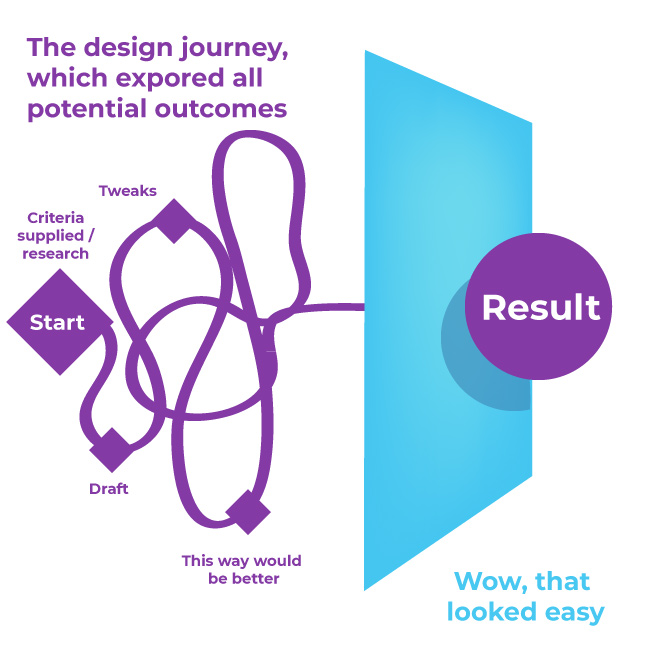
I have created an illustration to capture the nuances of the creative design Journey as it works for me. This is not an in-depth look at the graphic design process across the industry – it’s more discussion on how the journey often looks, with a slightly humorous slant.

Design is a Journey – No, it really is!

With design, it can take time to arrive at the final result. It takes time to explore the relevant paths before finalising the best route to take to achieve the best outcome.

People see this = The result, and assume it came straight out of the packet, ready to go. This probably wasn’t the case, and is certainly not the case for my projects.

The Design Journey - you take a lot away from a journey
Journey Hidden Behind Results

When the journey can look like this.

‘Why not just use the one path?’ or ‘It looks easy’ I am glad in one respect that it ‘looks’ easy – maybe I did something right when working on a project. Perhaps it’s down to practice and experience that I have which makes the whole process look easy! I will take it as a compliment, but this school of thought or perception also comes with its own headaches.

Squiggle path to success - design

Not Always An Easy Journey…

Design is rarely ‘easy’. Occasionally quick, occasionally straightforward – but not easy. If you went with your first unresearched approach, it may look something like this.

Comic Sans… = no

But you were quick? Surely that means it was easy!

Going with your first design isn’t necessarily good design. Neither is it strictly speaking the most effective, visually pleasing or polished. And making it look easy is another matter. When I first started, I struggled on some projects as a junior designer to nail a brief, or at least I look back at some projects and reflect on how I could have done much, much better!

Design that looks straightforward in the end, may have taken different routes to success and achieve that final appearance. When starting a substantial project, I like to plan – as with most big journeys.

Plan Your Journey – Plan Your Design Trip

Before going on a long trip, do you plan what you are going to take?
What if you are going away for two weeks and fail to pack toothpaste?
Underwear, or a passport?

You plan it.
A good design service should be the same for anything of size – granted, you don’t need to plan for your regular trip to a metaphorical trip to the shop, you already know that route.

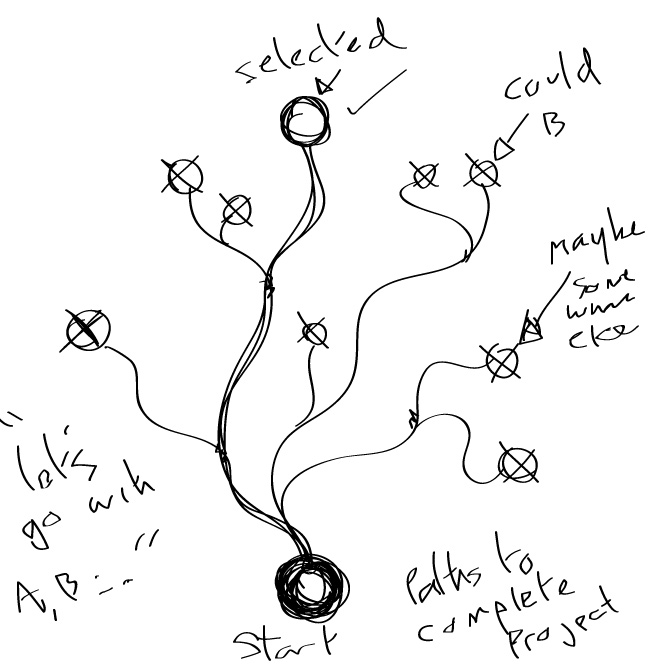
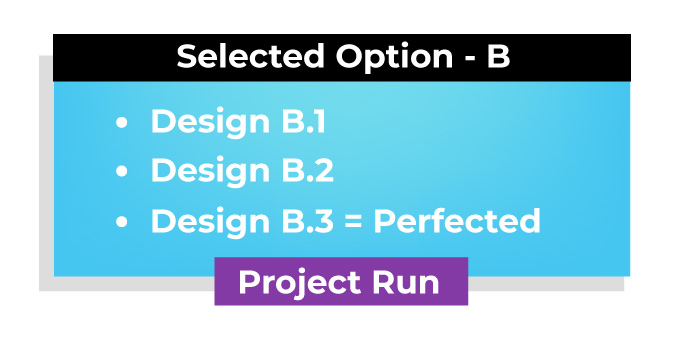
I often have a destination or a planned end. But my roots may look something like this. You see with design and new projects. Nobody has, strictly speaking, laid any roads, or cut a path. That is down to the designer, and the scribble below may look like this. Designers may need to plan and cut a path.

Design Forks & Paths For Design Journey

Design Diagram
Sketch or paths for a project

Polished Design

A good design can be part of polishing something or pushing an existing concept to its maximum potential.

Saving the best polish

I hope you have enjoyed having an insight into my design journey.

You can reach me here : Design

You may also find these posts interesting :-